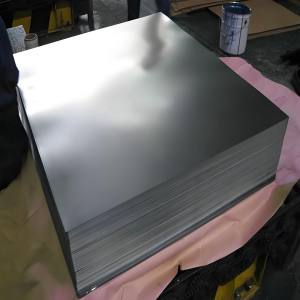
Zinc-Aluminum-Magnesium Coated Steel Sheet & Coil
Zinc-aluminum-magnesium coated steel sheet and coil for formed components, frames and equipment casings.
- Thickness: 0.3–3.0 mm
- Width: 600–1,250 mm
- Coating designations: ZAM70 / ZAM100 / ZAM150
- Surface: regular or spangle-free
- MOQ: 10 metric tons
Send the required standard, base-steel grade, coating requirement and quantity for a quotation.
Zinc-Aluminum-Magnesium Coated Steel Sheet & Coil
Fullgreat supplies zinc-aluminum-magnesium coated steel sheet and coil, listed in our range as ZAM coated steel, for fabricated components requiring corrosion protection. The steel base provides the mechanical properties, while the zinc-based coating contains aluminum and magnesium to support a protective surface film.
The supply range covers 0.3–3.0 mm thickness and 600–1,250 mm width, with ZAM70, ZAM100 and ZAM150 coating designations. Select the substrate grade for forming or structural requirements, then choose the coating and surface condition for the exposure and finishing process.
Specifications
| Item | Specification |
|---|---|
| Product form | Coated steel sheet and coil |
| Thickness | 0.3–3.0 mm |
| Width | 600–1,250 mm |
| Coating designations | ZAM70 / ZAM100 / ZAM150 |
| Base steel | Cold-rolled steel / hot-rolled steel |
| Standards | JIS G3323 / ASTM A1046; specify the required standard and grade for the order |
| Surface appearance | Regular / spangle-free |
| Minimum order quantity | 10 metric tons |
For a coating-mass specification, include the value in g/m² and whether it refers to both surfaces combined or an individual surface. This keeps the coating requirement clear alongside the listed designation. Required strength, elongation and forming properties belong to the selected base-steel grade.
Product Display
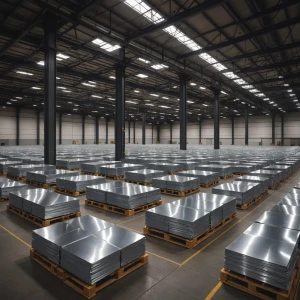
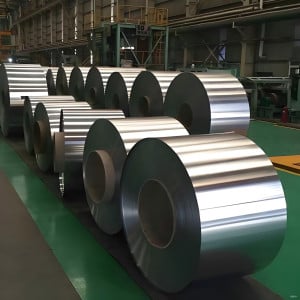
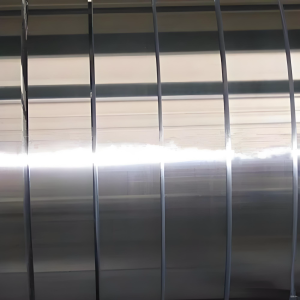
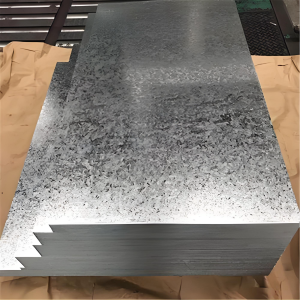
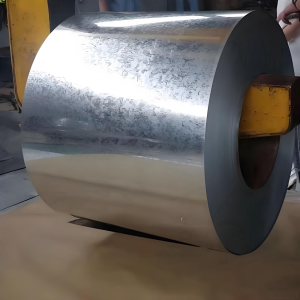
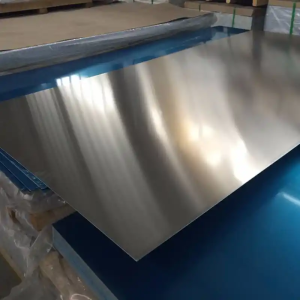
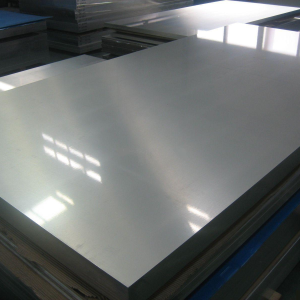
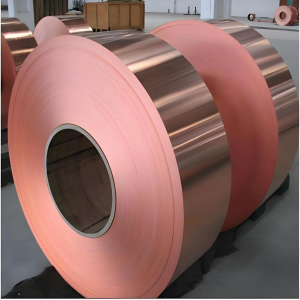
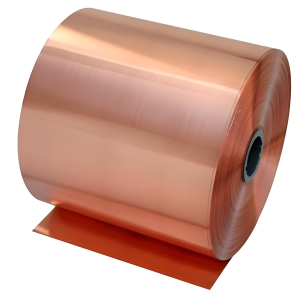
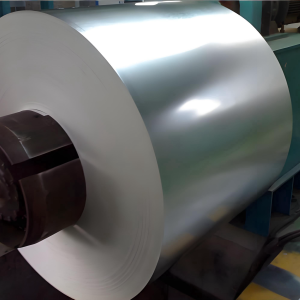
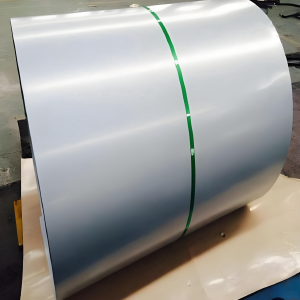
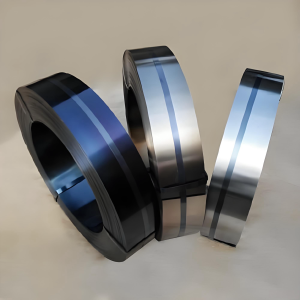
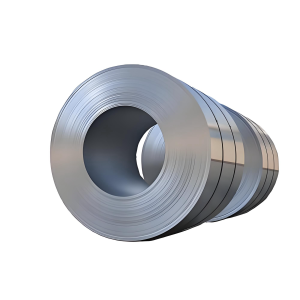
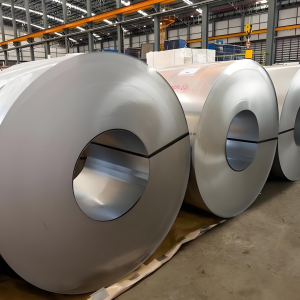
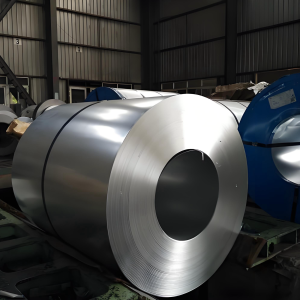
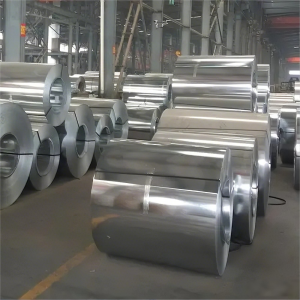
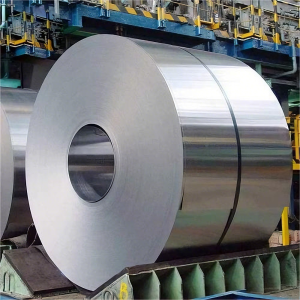
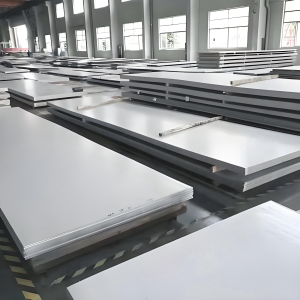
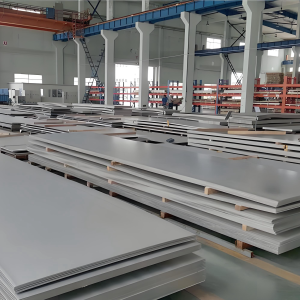
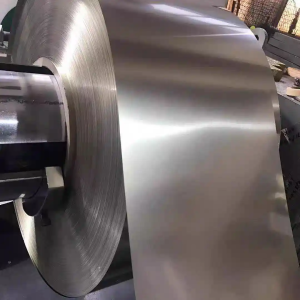
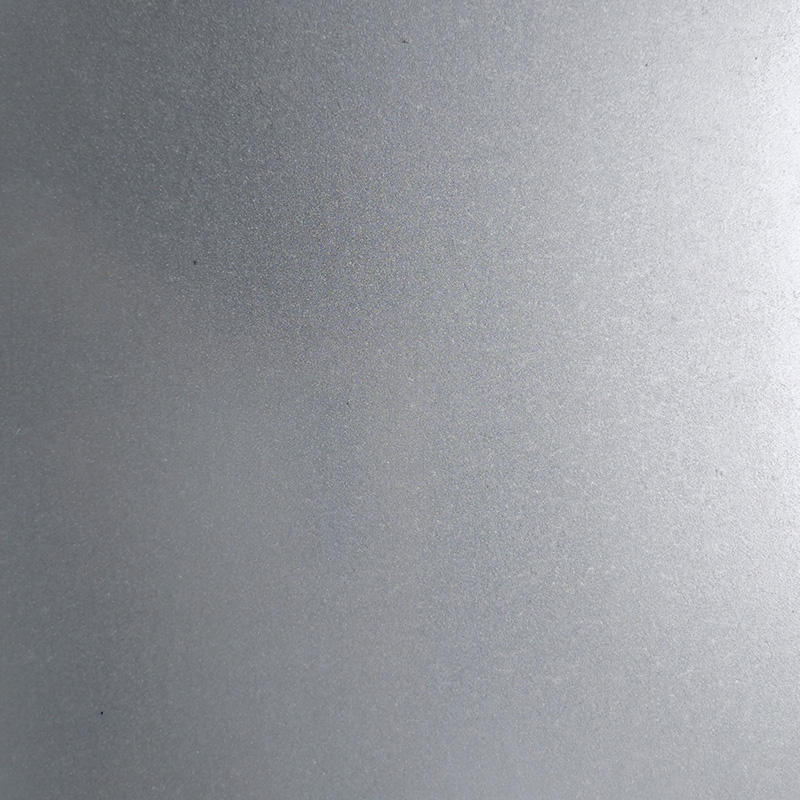
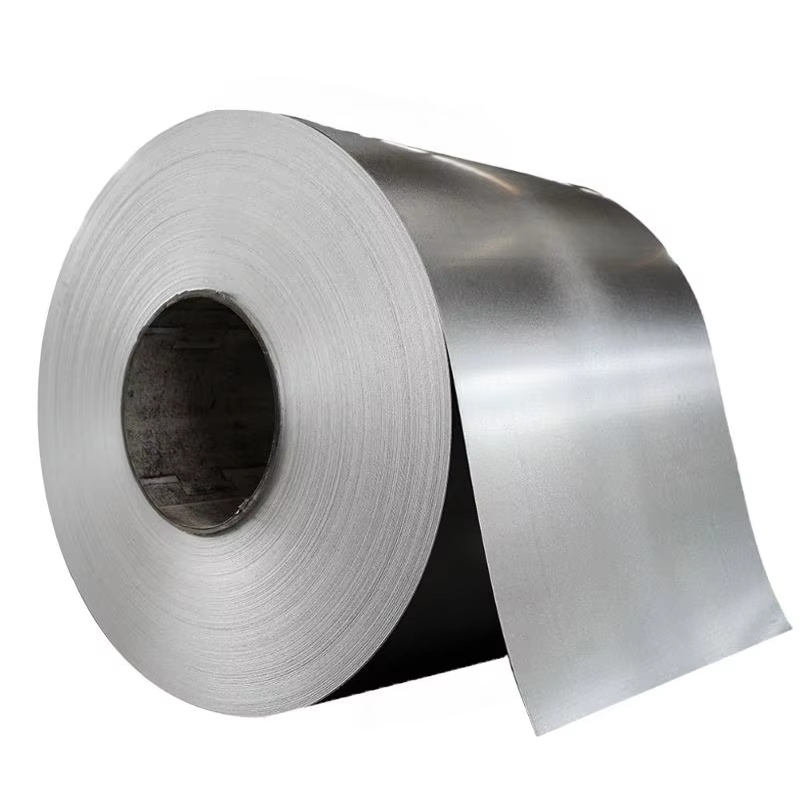
The images show the coated surface, stacked sheet edges and coil supply form.

Key Features & Benefits
- Corrosion-resistant coating: zinc, aluminum and magnesium support the formation of a protective corrosion-product film. Coating selection should reflect moisture, salt exposure, chemical contact and the component’s design.
- Cut-edge protection: protective products from the nearby coating can help reduce corrosion at exposed edges. The effect depends on coating mass, steel thickness and exposure; heavily cut or welded areas may need additional protection.
- Fabrication and finishing: material can be selected for formed, welded and painted components. Base-steel grade influences forming, while welding procedure and paint pretreatment must suit the metallic coating and surface condition.
- Material-cost evaluation: for some fabricated parts, coated carbon steel is an alternative worth comparing with stainless steel. Compare the complete requirements, including corrosion exposure, cleaning, finishing and maintenance, rather than material price alone.
Typical Applications
- Building and construction: roofing and wall panels, framing, gutters and fabricated structural components; match grade, coating and drainage details to the installation.
- Solar and energy equipment: mounting systems, frames and equipment components exposed to outdoor weather.
- Automotive: formed body components, casings and underbody parts, with grade and finishing requirements defined for the component.
- Home appliances: outer casings and internal components requiring a coated steel surface.
- Agricultural and industrial equipment: greenhouse and livestock-facility components, machinery and fabricated parts; account for chemical residues and persistent moisture when selecting protection.
ZAM Coated Steel FAQ
How does zinc-aluminum-magnesium coated steel differ from galvanized steel?
Conventional hot-dip galvanized steel uses a primarily zinc coating. Zinc-aluminum-magnesium coated steel adds aluminum and magnesium to change the coating’s protective behavior. Compare coating mass, base-steel grade, surface treatment and exposure conditions when evaluating alternatives.
Does cut-edge protection mean the coating repairs every scratch?
Protection comes from a film that can form over exposed areas near the coating. It does not rebuild removed metal. Edge thickness, damage size and exposure influence the result, and welding or extensive damage can require local protective treatment.
How should I specify JIS G3323 or ASTM A1046?
State the required standard, edition, base-steel grade and coating designation in the enquiry. The two standards are separate specifications; a matching product needs to satisfy the requirements of the selected standard, including mechanical properties and coating requirements.
Can salt-spray hours be used to specify outdoor service life?
Salt-spray testing compares specimens under defined laboratory conditions. For a test requirement, specify the method, specimen preparation, edge treatment and acceptance criterion. Outdoor service life also depends on the local environment, design and maintenance, so test hours do not translate directly into years of use.
What should I include in an enquiry?
Include sheet or coil form, thickness, width, quantity, required standard and base-steel grade, coating designation or coating mass, and surface appearance. For sheets, add cut length; for coils, include handling requirements such as coil weight and inside diameter. Describe forming, welding or painting and the intended exposure so the material specification matches the part.
Request a Quote
Send your specification and quantity to request pricing for zinc-aluminum-magnesium coated steel. The minimum order quantity is 10 metric tons.
About Fullgreat Metal: Established in 2008, Fullgreat Metal supplies metal materials for manufacturing customers in more than 40 countries. Learn more about Fullgreat