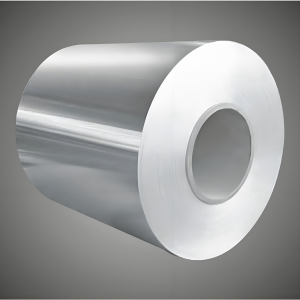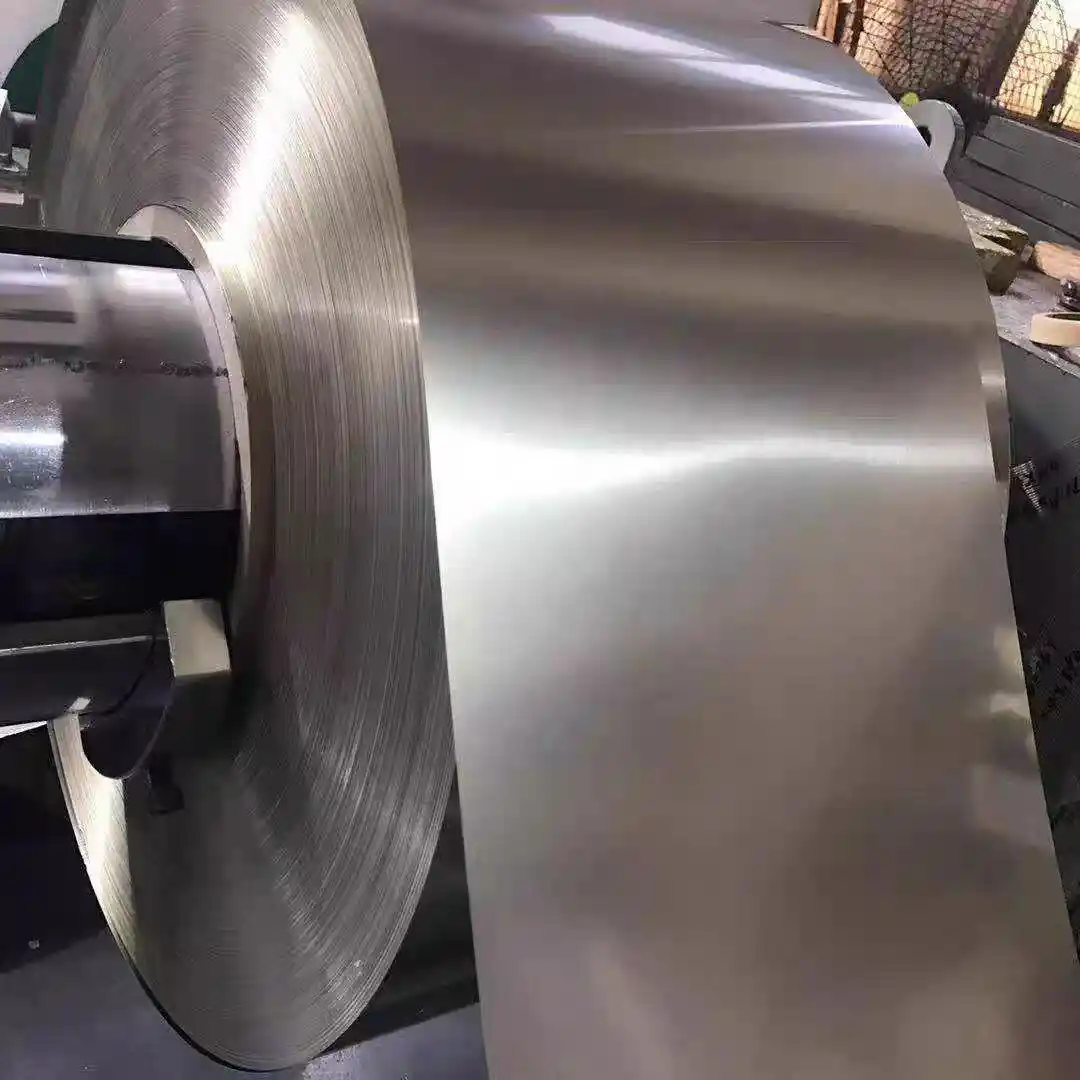


Tinplate Steel Coil & Sheet – Electrolytic TP / SPTE
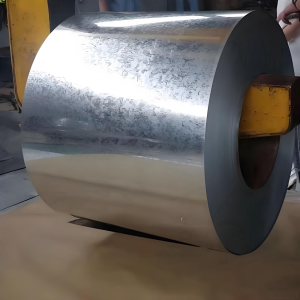
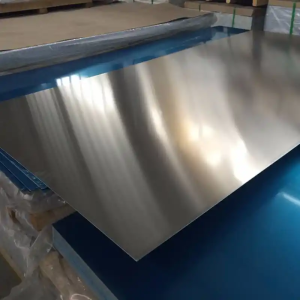
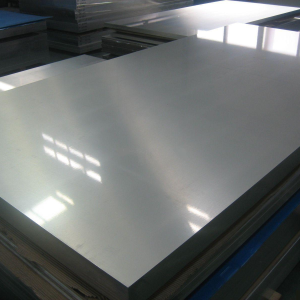
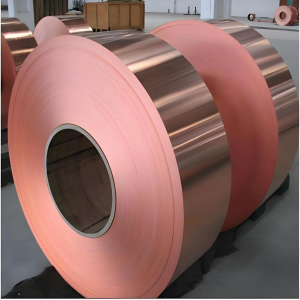
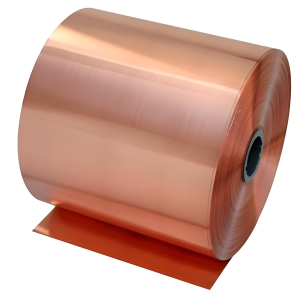
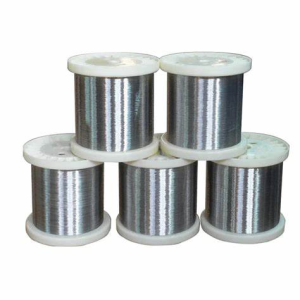
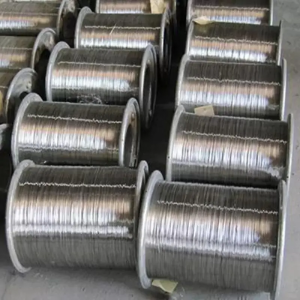
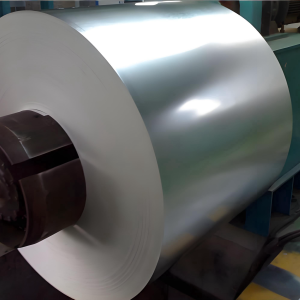
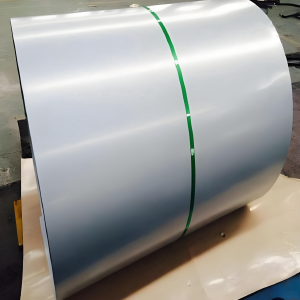
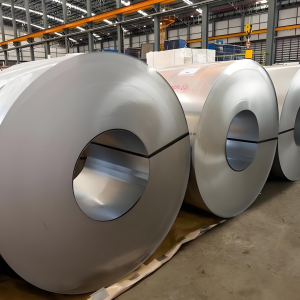
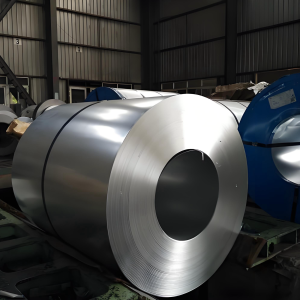
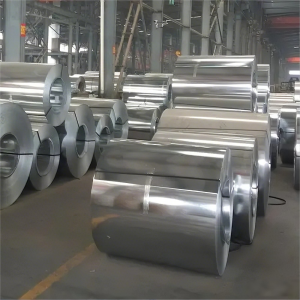
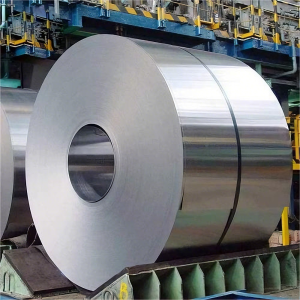
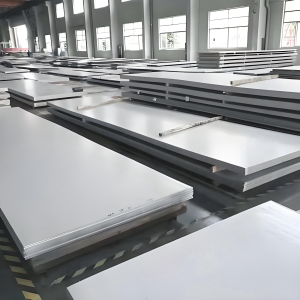
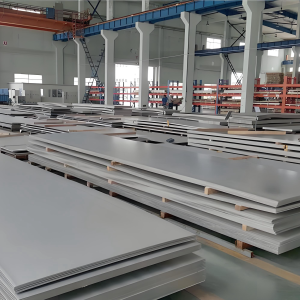
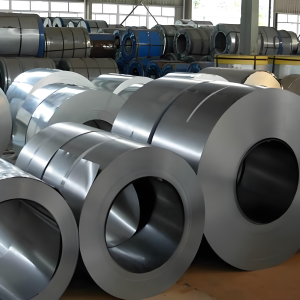
Electrolytic tinplate (TP / SPTE) coil and sheet for can bodies, ends, caps and formed components, with TFS / ECCS also available.
- Single-reduced thickness: 0.15–0.60 mm
- Double-reduced thickness: 0.14–0.36 mm
- Width: 600–1,220 mm
- Sheet length: 450–1,206 mm
- Options: temper, coating mass and surface finish
Send the material type, dimensions, temper, coating requirement and quantity for a quotation.
Tinplate Steel Coil & Sheet – Electrolytic TP / SPTE
Fullgreat supplies tinplate steel coil and sheet for can bodies, ends, caps and formed metal components. Tinplate (TP) is thin cold-rolled steel coated electrolytically with tin. Its metallic surface can be printed or lacquered, while temper and thickness determine the forming and stiffness balance.
The range also includes tin-free steel (TFS / ECCS), a separate chromium-coated material. TP and TFS serve different coating and joining requirements. Select the material family first, then specify reduction type, temper, dimensions, coating and finish.
Product Features
Tinplate: combines a tin-coated surface with formability, printability and joining options for packaging and industrial components. Coating mass and any lacquer system should suit the contents or exposure and the manufacturing process.
Tin-free steel: uses metallic chromium and chromium-oxide surface layers and offers good lacquer and paint adhesion. It is an option for coated or laminated components. Its joining requirements differ from tinplate, so substitution needs to account for the can construction and joining process.
Applications
Applications by Component
| Component | Typical uses |
|---|---|
| Food and beverage containers | Food cans and beverage cans, with material and internal coating selected for the contents and processing conditions. |
| General containers | Oil, paint, aerosol and other industrial containers. |
| Caps and ends | Crown caps, bottle caps, can ends and easy-open end stock. |
| Other formed parts | Electrical and electronic components, battery cases, toys, stationery and decorative containers. |
Food and beverage packaging also depends on the internal lacquer or laminate, forming, sealing and thermal processing. The finished packaging needs a specification and supporting documentation appropriate to the contents and destination market.
Classification by Can Production Method
| Construction | Component design | Material-selection focus |
|---|---|---|
| 3-piece can | Separate body, top and bottom | Match tinplate or the specified coated steel to the body-joint design, joining process and protective finish. |
| 2-piece can | Body and bottom formed as one piece, plus a separate end | Drawing, drawing-and-redrawing (DRD), or drawing-and-ironing (D&I) places different demands on forming, temper and coating. |
Special Applications
Double-Reduced TP & TFS
Double reduction adds cold rolling after annealing; the process reference is approximately 10–45% reduction. It increases strength and can support thinner-gauge component designs. A thinner section also changes stiffness and forming behavior, so the useful choice depends on the finished part rather than thickness alone.
Thin-Gauge TFS
TFS at approximately 0.15 mm is used for steel-copolymer tape applications, including cable-related components. Coating adhesion, forming and the lamination process are important selection factors for this use.
Wide TP / TFS
Widths up to 1,220 mm provide options for blank layout. A suitable width can improve the number of blanks obtained from a sheet or coil, depending on the component dimensions and cutting plan.
Specifications
Size Availability
Single-reduced (SR) and double-reduced (DR) material have different thickness ranges. The table lists these separately for sheet and coil supply.
| Form | Reduction | Thickness (mm) | Width (mm) |
|---|---|---|---|
| Sheet | SR | 0.15–0.60 | 600–1,220 |
| Sheet | DR | 0.14–0.36 | 600–1,220 |
| Coil | SR | 0.15–0.60 | 600–1,220 |
| Coil | DR | 0.14–0.36 | 600–1,220 |
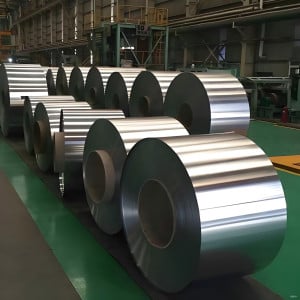
Sheet length: 450–1,206 mm. Coil inside diameter: 419 or 508 mm. Select dimensions together with temper, coating and the required cutting or feeding arrangement.
Tin Coating Mass
A designation such as 2.8/2.8 means 2.8 g/m² of tin on each surface. Its combined nominal mass is 5.6 g/m². A differential designation gives a different mass for each surface; identify which side faces the contents or the exterior.
| Mass per side (g/m²) | ASTM designation | Nominal total (g/m²) | Minimum average total (g/m²) |
|---|---|---|---|
| 2.8/2.8 | #25 | 5.6 | 4.9 |
| 5.6/5.6 | #50 | 11.2 | 10.5 |
| 8.4/8.4 | #75 | 16.8 | 15.7 |
| 11.2/11.2 | #100 | 22.4 | 20.2 |
For differential coating, the two minimum-average figures below are also stated by side, rather than as a combined total.
| Nominal mass per side (g/m²) | ASTM designation | Minimum average per side (g/m²) |
|---|---|---|
| 5.6/2.8 | #50/25 | 5.05/2.25 |
| 8.4/2.8 | #75/25 | 7.85/2.25 |
| 8.4/5.6 | #75/50 | 7.85/5.05 |
| 11.2/2.8 | #100/25 | 10.1/2.25 |
| 11.2/5.6 | #100/50 | 10.15/5.05 |
| 11.2/8.4 | #100/75 | 10.1/7.85 |
Specify the required standard, edition, coating designation and test requirements for the order. The nominal and minimum-average values describe different acceptance quantities.
TFS Coating Reference
| Layer | Coating-mass reference (mg/m²) |
|---|---|
| Metallic chromium | 30–140 |
| Chromium oxide | 8–25 |
TFS coating figures use mg/m², whereas the tin coating tables use g/m². For a TFS order, include the required coating-mass basis and test method in the specification.
Surface Finish
Finish affects the appearance and texture beneath printing or lacquer. The values below are target surface-roughness references in micrometers (Ra).
| Finish | JIS symbol | ASTM symbol | Target Ra (μm) |
|---|---|---|---|
| Bright | B | 7B | Up to approximately 0.35 |
| Stone R1 | R | 7C | 0.35–0.50 |
| Stone R2 | R | 7C | 0.45–0.70 |
| Silver | S | 5C | 0.8–5.5 |
Temper Grades
A softer temper generally gives more forming capacity; a harder temper can provide more resistance to deformation. Thickness and component design remain part of that trade-off. The values below are the listed HR30T hardness targets, not tensile-strength values.
| Temper | HR30T target | Selection example |
|---|---|---|
| T-1 | 49±3 | High-workability can components |
| T-2 | 53±3 | General forming, including oval cans |
| T-2.5 | 55±3 | Balance between drawing needs and stiffness |
| T-3 | 57±3 | Large-can bodies and ends, including 18 L containers |
| T-4 | 61±3 | Bodies, ends and crowns requiring greater resistance to deformation |
| T-5 | 65±3 | Bodies and ends with higher buckle-resistance requirements |
| T-6 | 70±3 | Large beer-can bodies and ends |
| DR-8 | 73±3 | Beverage and food-can components |
| DR-9 | 76±3 | Beverage-can components |
Steel Classifications
| Type | Selection characteristic |
|---|---|
| MR | Low residual minor constituents; a general option for container applications. |
| L | Particularly low residual constituents such as Cu, Ni, Cr and Mo; used where improved corrosion resistance is required. |
| D | Aluminum-killed steel for deep drawing and applications where stretcher-strain surface markings need control. |
Packaging & Marking
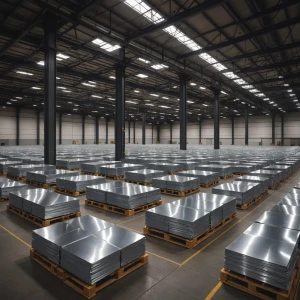
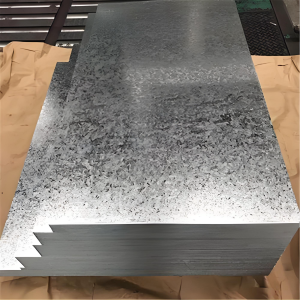
Sheet packs contain 1,000–1,800 sheets, with protection against abrasion, rust and scratches during handling and transport.
Package markings include product identification, specification, coating mass, thickness, dimensions, temper, sheet count, weights, lot and package numbers, packing date and origin. An inspection card inside the package repeats this information. Additional marking requirements can be included with the order.
Tinplate Steel FAQ
Should I select TP or TFS for a welded can?
Tinplate provides established soldering and welding options. TFS has a chromium-based surface that changes the joining requirements. For a welded body, select the coating with the intended seam-welding process rather than treating TP and TFS as direct substitutes.
Can I replace single-reduced material with thinner double-reduced material?
DR material offers higher strength, but reducing thickness changes stiffness and forming behavior. The comparison should include wall or end geometry, forming sequence and the finished component’s resistance to deformation.
Why choose differential tin coating?
The inside and outside of a container may face different conditions. Differential coating assigns a different tin mass to each surface. Side identification and the internal lacquer system help connect those coating requirements to the final package.
What information makes a quotation useful?
Include TP or TFS, SR or DR, temper, steel type, thickness, width and quantity. Add sheet length or coil-handling requirements, coating mass by side, surface finish and the component or can-making process. For packaging, include the contents and intended lacquer or laminate system.
Request a Quote
Send your material specification to request a tinplate steel coil or sheet quotation, or to discuss TFS for the intended component.
About Fullgreat Metal: Established in 2008, Fullgreat Metal supplies metal materials for manufacturing customers in more than 40 countries. Learn more about Fullgreat