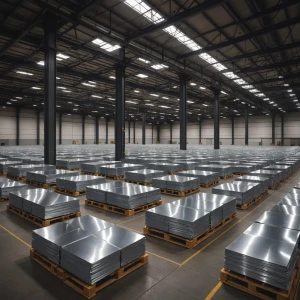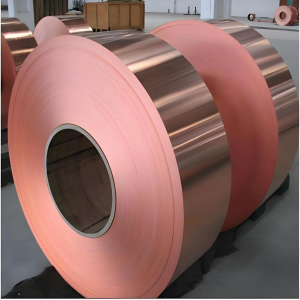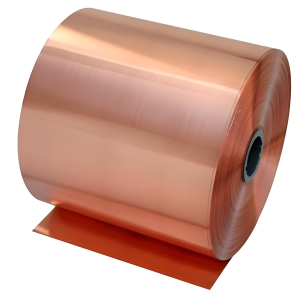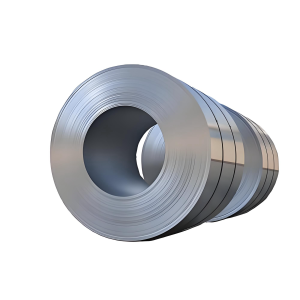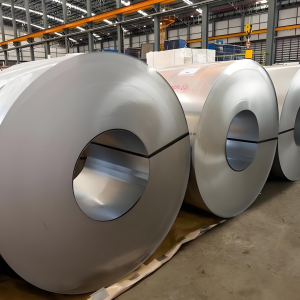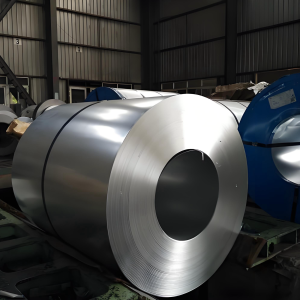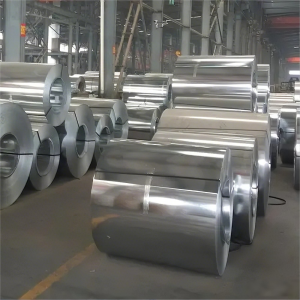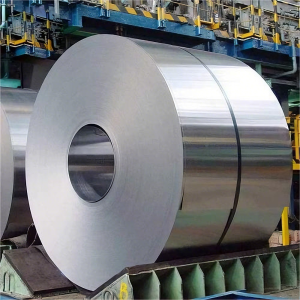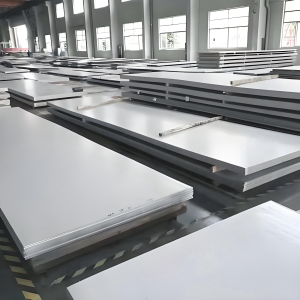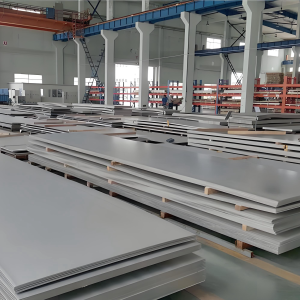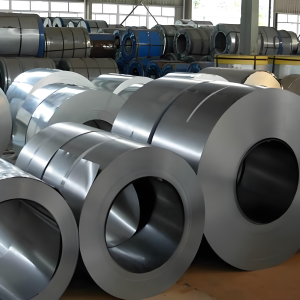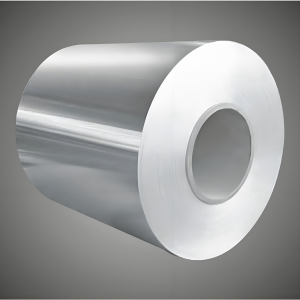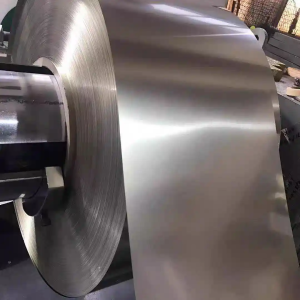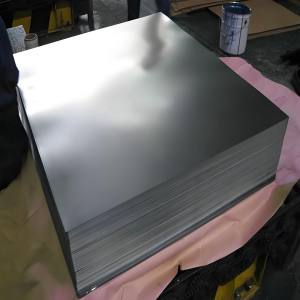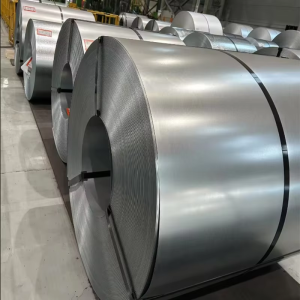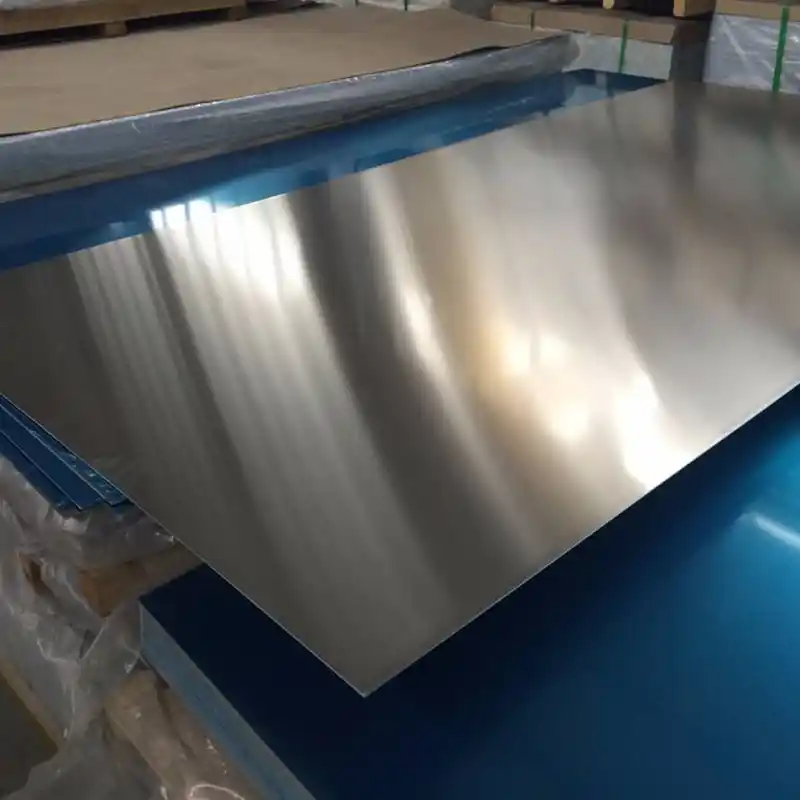
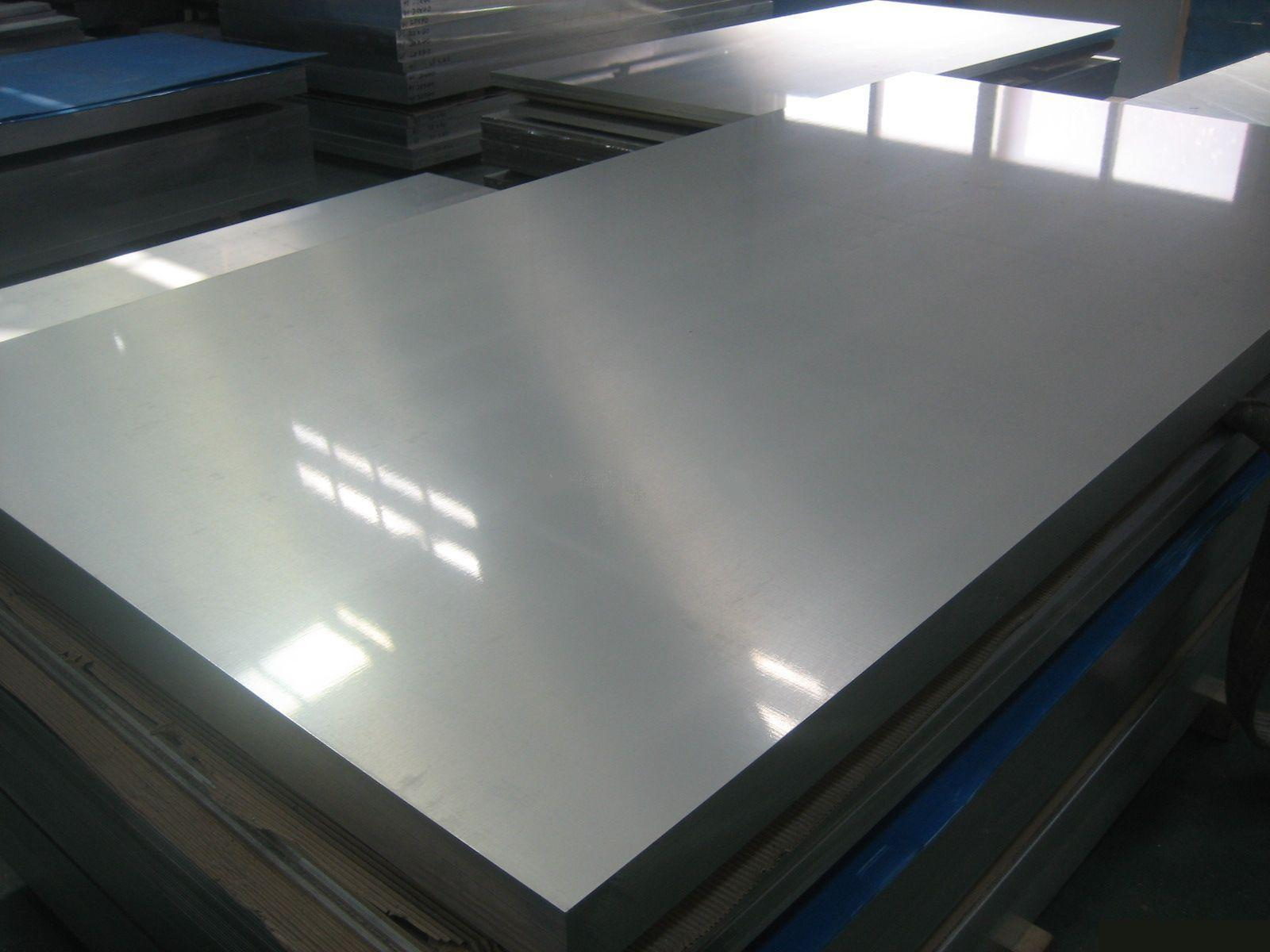


Cold-Rolled Steel Coil – SPCC, SPCD, SPCE & SPCF
Cold-rolled steel coil and sheet for panels, furniture, precision tubes and formed components.
- Grades: SPCC / SPCD / SPCE / SPCF
- Hardness tempers: SPCC-1D / 2D / 4D / 8D
- Surface: dull or matt / bright; oiling specified separately
- Selection: grade, temper and finish matched to the forming process
Send the standard, grade, temper, dimensions, surface requirement and quantity for a quotation.
Cold-Rolled Steel Coil – SPCC, SPCD, SPCE & SPCF
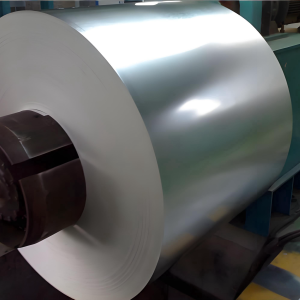
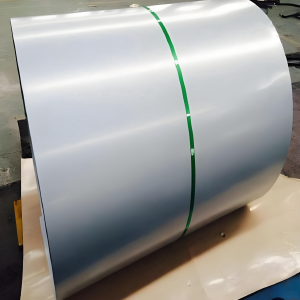
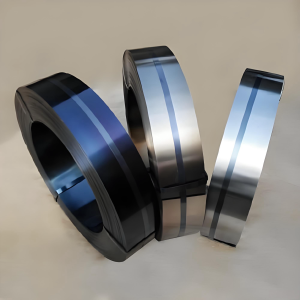
Fullgreat supplies cold-rolled steel coil for automotive panels, appliances, precision tubes, furniture and formed components. Material choices include SPCC for general use, drawing grades such as SPCD, SPCE and SPCF, and SPCC hardness-temper options.
Grade, temper and surface finish serve different purposes. Grade selection addresses forming needs; temper affects hardness and remaining ductility; the surface condition affects appearance and subsequent coating. These choices should be considered together for the finished part.
JIS G3141 Grades — Composition & Mechanical References
For general panels and simple formed parts, SPCC is a starting option. For more demanding drawing, compare SPCD, SPCE and SPCF against the part geometry and forming sequence. A drawing-grade designation and a hard-temper designation describe different requirements.
The following listed composition limits are percentages by mass. The purchase specification should identify the required grade, standard edition and any additional chemical or mechanical requirements.
| Grade | C max. (%) | Mn max. (%) |
|---|---|---|
| SPCC | 0.15 | 0.60 |
| SPCCT | 0.12 | 0.50 |
| SPCD | 0.10 | 0.45 |
| SPCE | 0.08 | 0.45 |
| SPCF | 0.02 | 0.25 |
SPCCT identifies SPCC ordered with specified tensile-test requirements. A tensile-strength minimum of 270 N/mm² (MPa) is a reference for the applicable tensile-tested condition, rather than a blanket requirement for every SPCC coil.
Mechanical acceptance depends on grade, thickness and supplied condition. Where yield strength, elongation or a bend test controls the design, include those requirements with the material specification.
SPCC Hardness Tempers — 1D / 2D / 4D / 8D
The numerical temper symbol distinguishes full hard, half hard, quarter hard and eighth hard. The D suffix identifies a dull surface finish. Harder material has less remaining capacity for plastic deformation, which matters for tight bends and drawing.
| Designation | Temper | HRB | HV | Bend reference |
|---|---|---|---|---|
| SPCC-1D | Full hard | 85 min. | 170 min. | No bend value stated |
| SPCC-2D | Half hard | 74–89 | 135–185 | 180°; inside radius t |
| SPCC-4D | Quarter hard | 65–80 | 115–150 | 180°; inside radius 0.5t |
| SPCC-8D | Eighth hard | 50–71 | 95–130 | 180°; flat on itself |
Here, t is the steel thickness. HRB and HV are alternative hardness scales; specify the required test scale for acceptance. Bend references depend on the applicable standard and test conditions and should be distinguished from the geometry of a production part.
ASTM A1008 — Composition Reference
The table below uses the ASTM A1008-2003 composition reference for CS, DS, DDS and EDDS categories. State the required edition for purchasing; these categories should be specified within their own standard rather than treated as automatic equivalents to JIS grades.
Values are percentages by mass, with maximum limits unless a range is shown. In particular, the CS Type B carbon entry is a range.
| Category | C | Mn max. | P max. | S max. |
|---|---|---|---|---|
| CS Type A | 0.10 | 0.60 | 0.03 | 0.035 |
| CS Type B | 0.02–0.15 | 0.60 | 0.03 | 0.035 |
| CS Type C | 0.08 | 0.60 | 0.10 | 0.03 |
| DS Type A | 0.08 | 0.50 | 0.02 | 0.03 |
| DS Type B | 0.08 | 0.50 | 0.02 | 0.03 |
| DDS | 0.06 | 0.50 | 0.02 | 0.025 |
| EDDS | 0.02 | 0.40 | 0.02 | 0.02 |
Product Display
Cold-Rolled Steel FAQ
Should I choose a drawing grade or a harder SPCC temper?
A drawn recess or complex formed shape needs enough ductility during manufacture. A harder temper serves a different need, such as higher hardness in the supplied material. Compare the most demanding forming feature before choosing a harder condition; hardness alone does not establish suitability for drawing.
Does cold rolling always mean the finished coil is full hard?
Cold reduction work-hardens the steel. Subsequent annealing restores ductility, and temper rolling can adjust the final condition. The supplied temper is therefore important alongside the grade name.
Which surface options are available?
Surface options include dull or matt and bright finishes, with oiling requirements specified separately. For visible or painted parts, the required texture, surface quality and downstream cleaning process should be considered together. Oiling provides temporary handling and storage protection rather than a permanent metallic coating.
How does this differ from galvanized steel?
Cold-rolled steel describes the steel product and processing condition. Galvanized material adds a zinc coating. Where the part needs corrosion protection, include the intended coating, paint system or service exposure in material selection rather than assuming a cold-rolled finish provides that protection.
What information is needed for a quotation?
Send the required standard and grade, temper, thickness, width, quantity and surface finish. Add sheet length or coil-handling requirements, oiling and critical tolerances. A drawing or description of the bending, drawing and finishing process helps identify the relevant acceptance requirements.
Request a Quote
Send your specification for cold-rolled steel coil or sheet to request pricing for the required grade, temper and finish.
Request a Cold-Rolled Steel Quote
About Fullgreat Metal: Established in 2008, Fullgreat Metal supplies metal materials for manufacturing customers in more than 40 countries. Learn more about Fullgreat