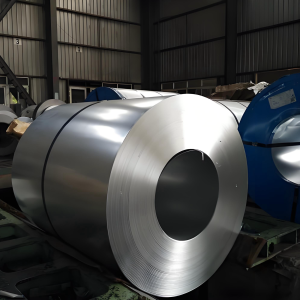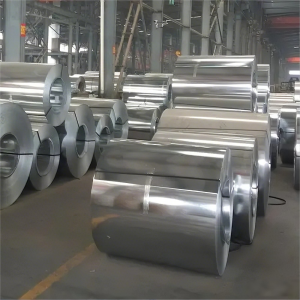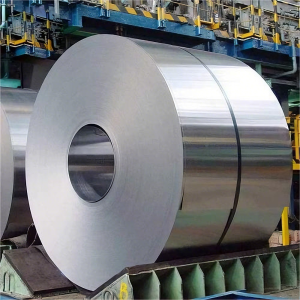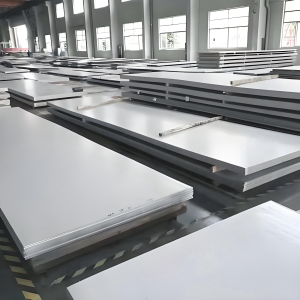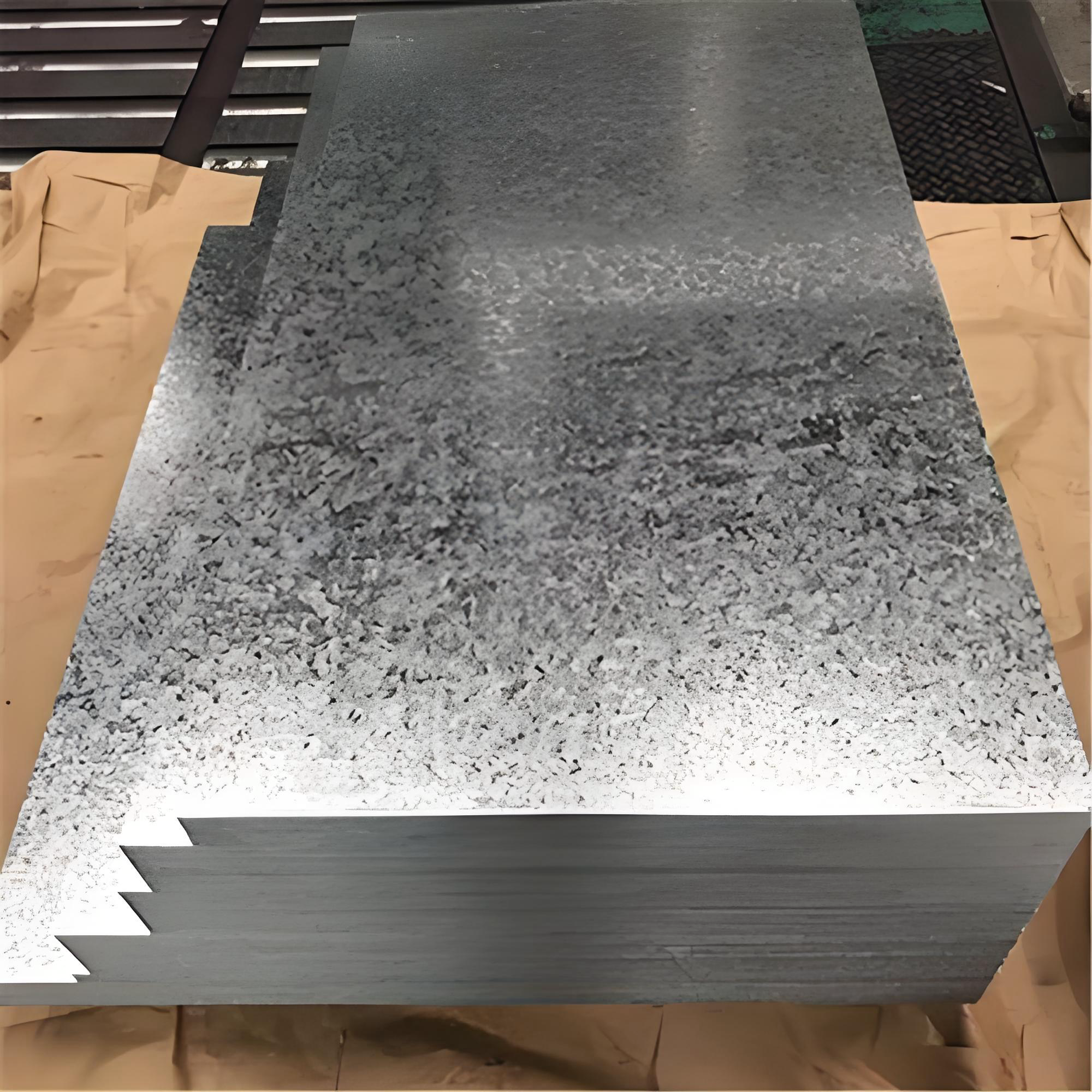


Aluminum-Zinc Coated Steel Coil – SGLCC / 55% Al-Zn
SGLCC aluminum-zinc coated steel coil for formed building materials, appliance components and industrial fabrication.
- Coating: 55% Al / 43.4% Zn / 1.6% Si by weight
- Appearance: silver-white, regular or fine spangle
- Post-treatments: chromate, chromate-free with oil, or organic-film options
- Selection: grade, coating mass and finish matched to fabrication and exposure
Send thickness, width, quantity, required grade and coating specification for a quotation.
Aluminum-Zinc Coated Steel Coil – SGLCC / 55% Al-Zn
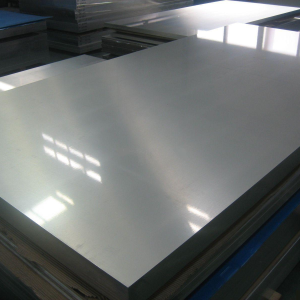
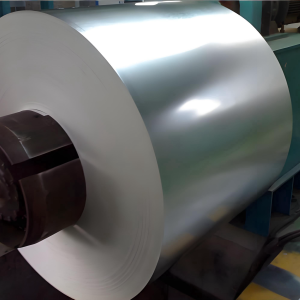
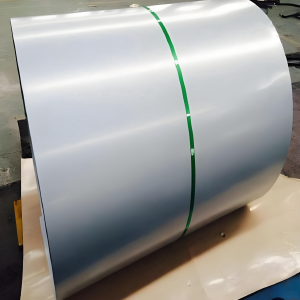
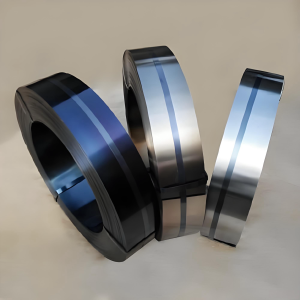
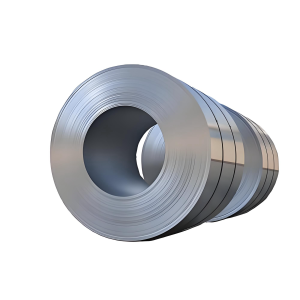
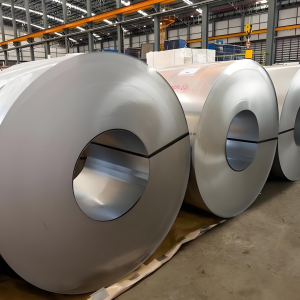
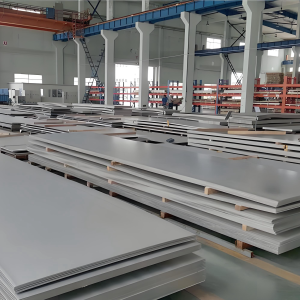
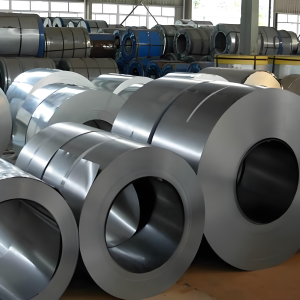
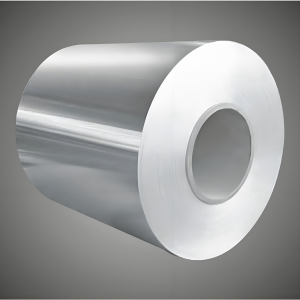
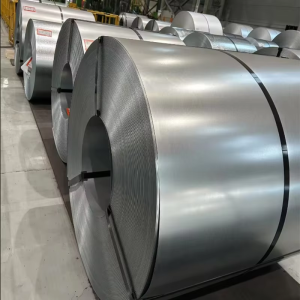
Fullgreat supplies aluminum-zinc coated steel coil in the SGLCC / 55% Al-Zn range for formed building materials, appliance components and fabricated industrial parts. The silver-white metallic surface has a spangled appearance. The steel base provides the component’s mechanical properties, while the hot-dip alloy coating provides corrosion protection and heat reflectivity.
The coating contains 55% aluminum, 43.4% zinc and 1.6% silicon by weight. Choose the steel grade for the forming and strength requirements, then select the coating mass and post-treatment for the exposure, appearance and fabrication process.
Coating Composition
| Element | Weight (%) | Volume (%) |
|---|---|---|
| Aluminum (Al) | 55.0 | 80 |
| Zinc (Zn) | 43.4 | 19 |
| Silicon (Si) | 1.6 | 1 |
Coating Weights & Post-Treatments
The coating-mass options below distinguish measurements over both surfaces from the approximate thickness on one surface. Specify the required standard and coating designation for an order. JIS G3321 and ASTM A792 describe aluminum-zinc coated steel under separate requirements; grade names and coating designations should be selected within the specified standard.
| Coating mass, both surfaces combined — triple-spot value (g/m²) | Single-spot value, both surfaces combined (g/m²) | Approximate coating thickness per surface (μm) |
|---|---|---|
| 70 | 66 | 9 |
| 90 | 77 | 12 |
| 100 | 85 | 13 |
| 120 | 102 | 16 |
| 150 | 130; KS reference: 128 | 20 |
| 165 | 150 | 22 |
| 170 | 145 | 22 |
| 180 | 155 | 24 |
| 185 | 160 | 25 |
| 200 | 170 | 26 |
The thickness figures are approximate references, rather than a separate thickness guarantee. For the 150 g/m² row, the single-spot value differs in the listed KS reference. Use the acceptance requirements of the specified standard and edition.
| Post-treatment | Selection consideration |
|---|---|
| Chromate | Listed for construction and automotive components; select with the downstream finishing process in mind. |
| Chromate-free (+ oil) | Listed for pre-painting; cleaning and pretreatment must suit the oil and paint system. |
| Chromate + oil | Listed for export supply; protect against moisture during shipping and storage. |
| Chromate-free + organic coating | Listed for roll forming; consider lubrication, handling marks and subsequent finishing. |
Appearance options include regular and fine spangle. A thin organic film of approximately 1–2 μm is available for handling, lubrication and anti-fingerprint requirements. This film is separate from the metallic Al-Zn coating; its compatibility with paint, welding and heat exposure is part of the finish selection.
Key Performance Features
- Atmospheric corrosion protection: the aluminum-rich coating provides barrier protection, while zinc contributes sacrificial protection. Compare coating mass, exposure and component geometry when choosing between Al-Zn and conventional galvanized steel. Cuts, drilled holes and welded areas require attention in the finished design.
- Heat resistance: approximately 315°C is a reference heat-resistance figure for the metallic-coated material. Component selection also depends on exposure duration, appearance limits and mechanical requirements. Organic films and paint systems have their own temperature limits.
- Heat reflectivity: the metallic surface can reflect radiant heat, making it useful for heat shields and building components. Reflectivity changes with surface condition, finishing and service exposure.
- Paintability: the surface can be painted using a compatible cleaning, pretreatment and paint system. Choose these steps for the supplied passivation, oil or organic film and the intended application.
- Fabrication: the material can be pressed, sheared, roll-formed and welded. Base-steel grade affects forming, while welding settings depend on sheet thickness, coating and joint design.
- Coating economy: the lower density of the Al-Zn alloy gives a thicker coating than zinc at the same coating mass. Purchasing comparisons should include steel thickness, coating specification, processing yield and the finished component’s protection requirements.
Heat Reflectivity Comparison
The following reference ranges compare surface finishes. They support initial material selection; actual reflectivity depends on the surface condition and measurement conditions. They do not state a guaranteed reduction in building temperature or energy consumption.
| Product | Heat reflectivity (%) |
|---|---|
| 55% Al-Zn coated steel | 70 – 75 |
| Galvanized steel | 30 – 40 |
| Prepainted steel (silver) | 50 – 60 |
| Prepainted steel (light gray) | 45–50 |
| Prepainted steel (dark brown) | 10–15 |
| Prepainted steel (green) | 10–15 |
| Tile / slate | 10 – 20 |
Typical Applications
These are applications for fabricated parts made from the material. Select the grade, coating and post-treatment for the component; heat-exposed equipment also needs assessment of the local metal temperature, condensate and surface finish.
- Building & Construction: roofing and wall materials, framing, partitions, acoustic walls, pipes, shutters, garage doors, fencing, corrugated steel pipe, and lightweight steel
- Automotive: mufflers, exhaust boxes and tail pipes, oil filter tubes, underbody parts, air-cleaner covers, hose clamps, and brake-shoe covers
- Home appliances & electrical: vending machines, gas boilers and ovens, toasters, air conditioners and heaters, and washers
- Agriculture: greenhouse tubes and panels, silos, leaf and grain dryers, and agricultural equipment
- Industrial: heat shields, water heaters, heat exchangers, dryers, incinerators, and corrosion-resistant containers
Aluminum-Zinc Coated Steel FAQ
Is SGLCC the coating composition or the steel grade?
SGLCC is a grade designation for aluminum-zinc coated steel. The 55% Al-Zn description identifies the coating family; it does not specify every mechanical property. For formed parts, include the required grade and forming requirements as well as the coating specification.
How does this material differ from ZAM coated steel?
This product uses a 55% aluminum, 43.4% zinc and 1.6% silicon coating by weight. Zinc-aluminum-magnesium coated steel uses a different coating family containing magnesium. Compare them by the required coating specification, exposure and fabrication needs rather than treating their coating designations as interchangeable.
Does a coating mass of 150 g/m² mean 150 g/m² on each side?
In the table above, 150 g/m² is the triple-spot coating-mass value for both surfaces combined. The approximate 20 μm figure refers to one surface. Keep the mass basis and test requirements explicit in the purchase specification.
Which finish should I choose for painted or roll-formed parts?
For painting, match the supplied post-treatment to the cleaning, pretreatment and paint process. For roll forming and visible parts, also consider lubrication, handling marks and appearance. An organic anti-fingerprint film adds a separate layer and should be included in finishing and heat-exposure evaluations.
What information is needed for a quotation?
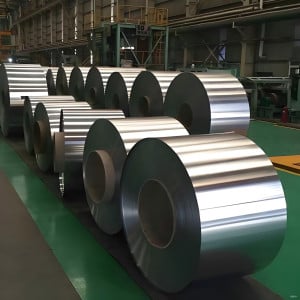
Include the required grade and standard, thickness, width, quantity, coating designation or mass, and post-treatment. Add forming details or a drawing where relevant. For coil supply, state inside diameter and coil-weight requirements; for cut sheets, add length. These details let the quotation describe the material and handling requirements together.
Request a Quote
Send your specification for SGLCC aluminum-zinc coated steel, including dimensions, coating requirement, post-treatment and quantity, to request a quotation.
About Fullgreat Metal: Established in 2008, Fullgreat Metal supplies metal materials for manufacturing customers in more than 40 countries. Learn more about Fullgreat