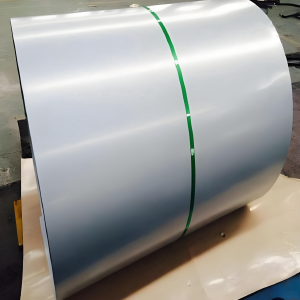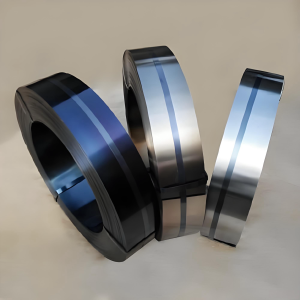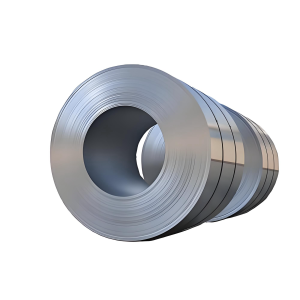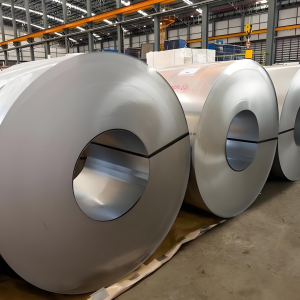


Aluminum Coil & Strip – 1050, 3003, 5052, 6061 & More
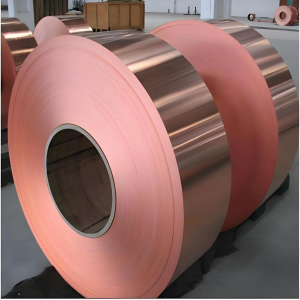
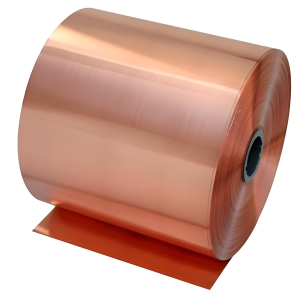
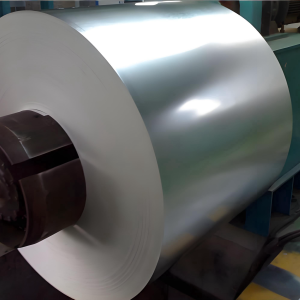
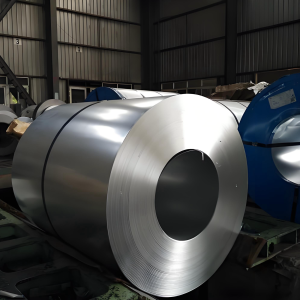
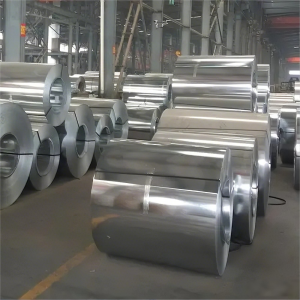
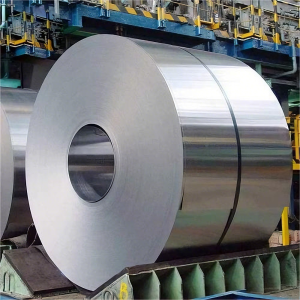
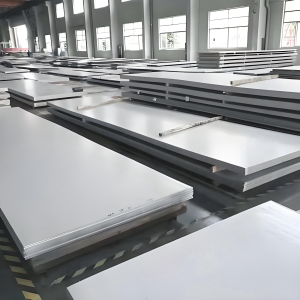
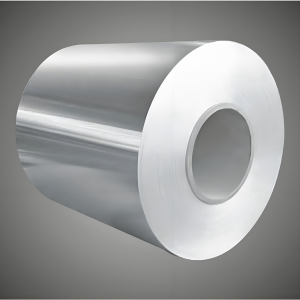
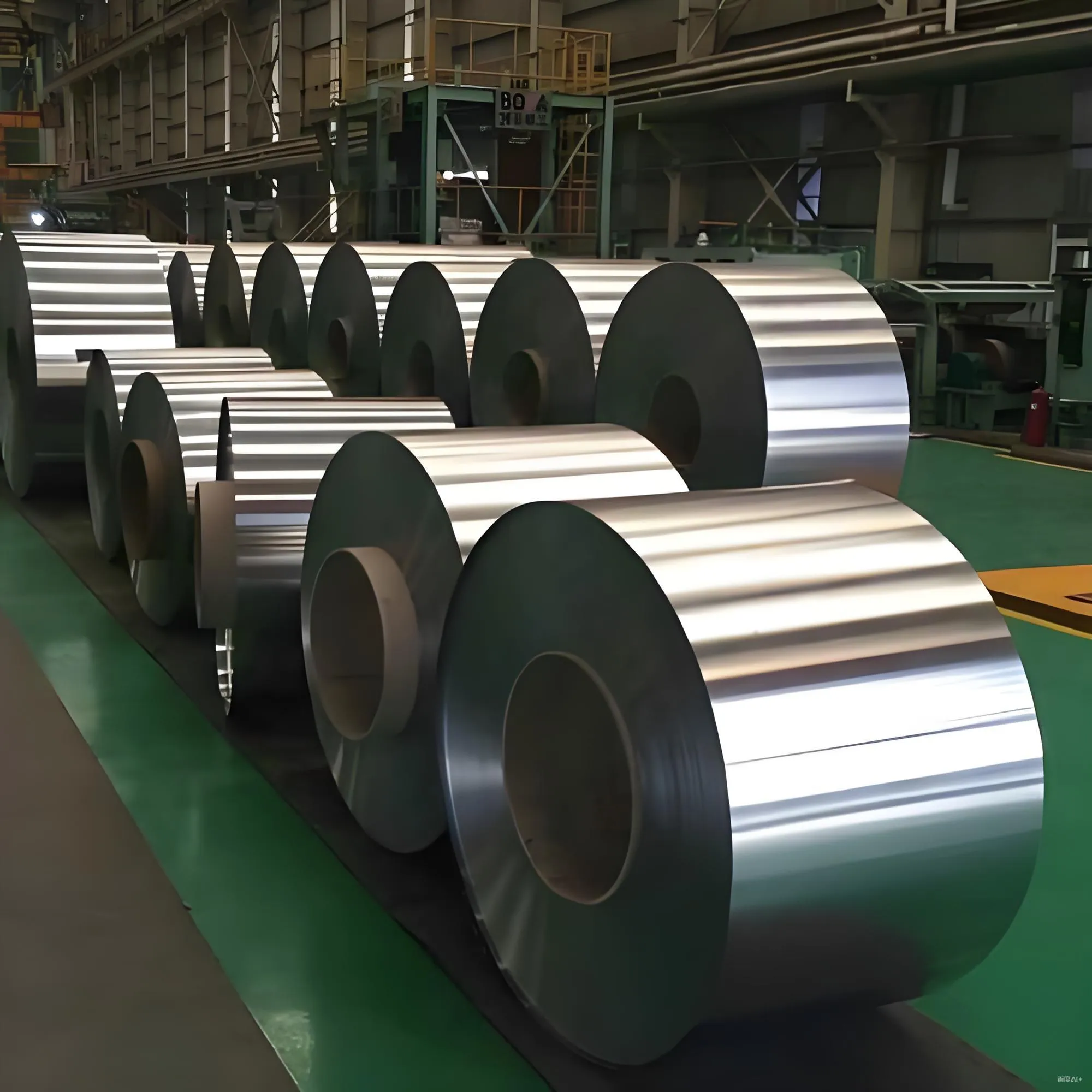
Aluminum coil and strip for formed components, industrial parts and decorative products.
- Alloys: 1050, 1060, 1100, 3003, 5052, 5056, 5083, 5182, 5754, 6061 and 8011.
- Overall size range: 0.1–10.0 mm thick; 20–1,600 mm wide. Available combinations depend on alloy and supplied condition.
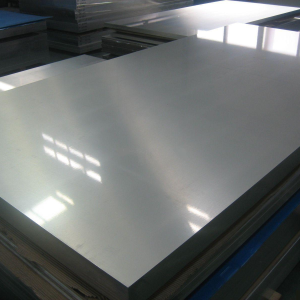
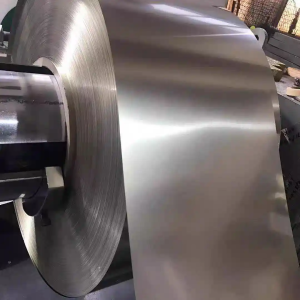
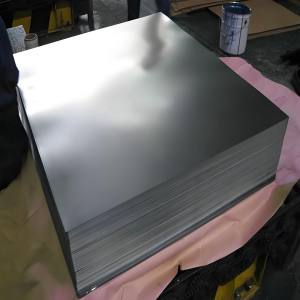
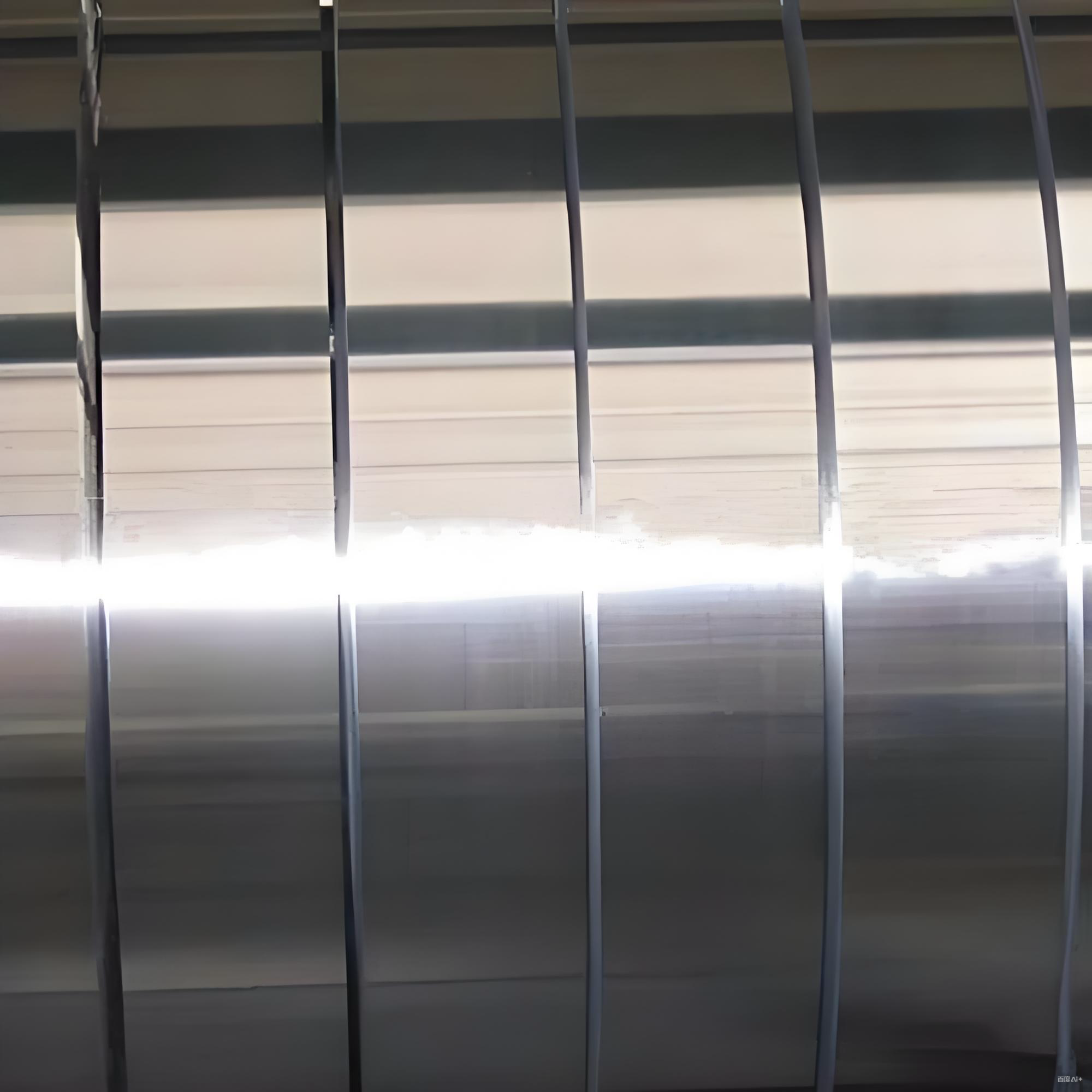
- Surfaces: mill finish and 8K mirror-finish options.
- MOQ: 1 metric ton.
Send the alloy, temper, dimensions, finish and quantity for a quotation.
Aluminum Coil & Strip for Industrial Manufacturing
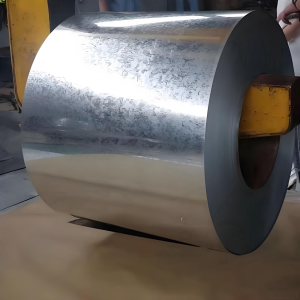
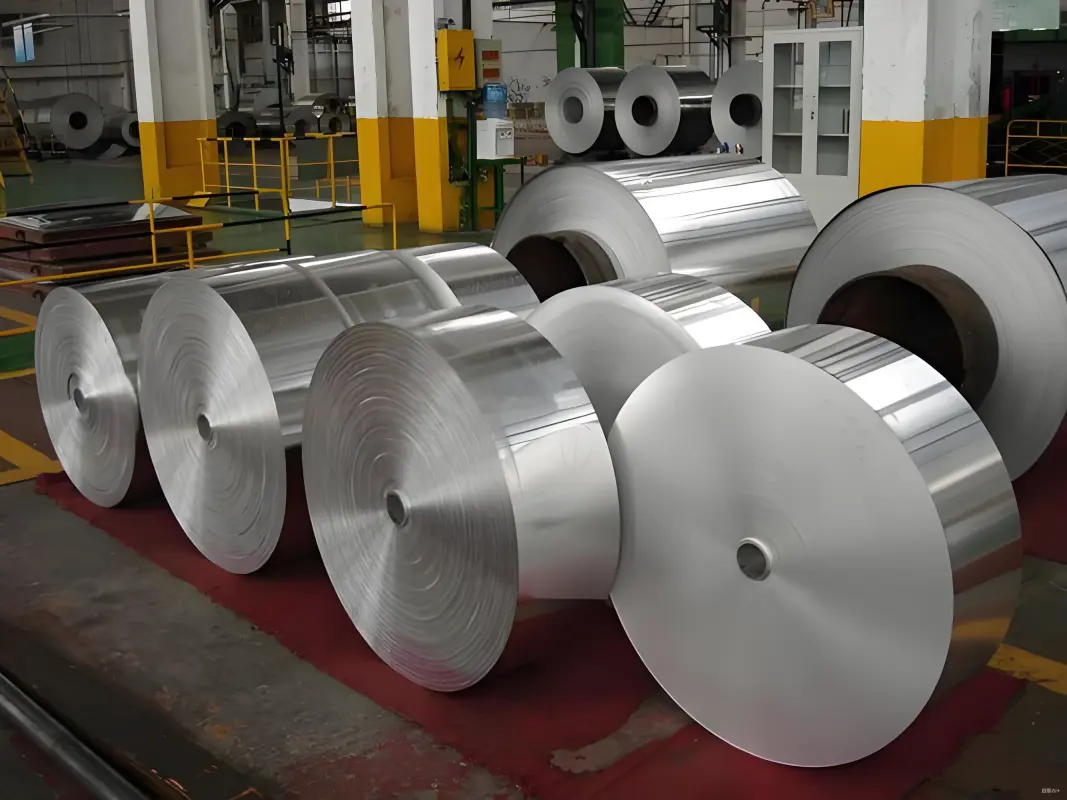
Fullgreat offers aluminum coil and aluminum strip for manufacturers working with formed components, industrial parts and decorative products. Produced through rolling and annealing processes, the range includes commercially pure aluminum and aluminum alloys. Material properties depend on the selected grade and supplied condition.
The range covers aluminum alloys in the 1000, 3000, 5000, 6000 and 8000 series. Manufacturers can select a grade, temper and coil size according to the component design, forming process and end-use requirements.
Key Material Features
- Lightweight construction: Aluminum helps reduce component weight while maintaining useful strength for the chosen grade and temper.
- Corrosion resistance: A practical material characteristic for many fabricated products and exterior components.
- Formability: Aluminum coil and strip can be processed into parts with different shapes and forming requirements.
- Thermal and electrical conductivity: Relevant to electrical enclosures, heat-transfer parts and related applications.
- Surface appearance: Its natural metallic reflectivity suits both functional and decorative components.
- Recyclability: Aluminum can be recovered and recycled at the end of its service life.
The combination of properties varies by alloy and temper, so material selection should start with the finished part’s technical requirements.
Aluminum Coil & Strip Specifications
| Specification | Details |
|---|---|
| Product form | Aluminum coil and strip |
| Alloy series | 1000 / 3000 / 5000 / 6000 / 8000 |
| Thickness | 0.1–10.0 mm |
| Width | 20–1,600 mm |
| Temper designations | O / H111 / H112 / H116 / H321 / H12 / H22 / H32 / H14 / H24 / H34 / H16 / H26 / H36 / H18 / H28 / H38 / H114 / H19; applicable designations depend on the alloy and product specification |
| Surface options | Mill finish and 8K mirror-finish options; appearance requirements to the selected alloy and supply condition |
| Minimum order quantity | 1 metric ton |
These figures describe the overall supply range. Available thickness-and-width combinations depend on the alloy, temper and surface requirements. The temper list covers different materials; it is not a list of interchangeable conditions for every grade.
Aluminum Alloy Grades
Different alloy series serve different manufacturing requirements. The table below makes it easier to find the grade stated in your purchasing specification or component drawing.
| Alloy series | Grades | Selection focus |
|---|---|---|
| 1000 series | 1050 / 1060 / 1100 | Commercially pure aluminum options where conductivity and forming are priorities. |
| 3000 series | 3003 | Consider for general formed components and applications balancing strength and formability. |
| 5000 series | 5052 / 5056 / 5083 / 5182 / 5754 | Compare the specific grade and temper for strength, forming and corrosion conditions. |
| 6000 series | 6061 | A heat-treatable alloy; specify the required supplied condition and finished-part properties. |
| 8000 series | 8011 | Consider the specified packaging or formed-part requirements alongside thickness and temper. |
O denotes an annealed condition; H designations describe strain-hardened conditions. Heat-treatable alloys such as 6061 use a different approach to developing strength. Select the complete alloy-and-temper specification for the part rather than applying one condition across the range.
For a bent or stamped component, consider the forming operation and the strength needed afterwards. For an electrical or heat-transfer part, compare the selected alloy’s relevant properties as well as section size.
Coil Surface and Product Appearance
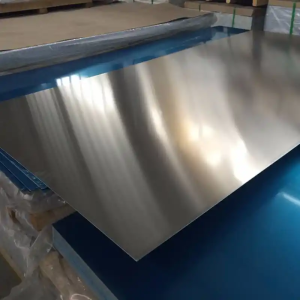
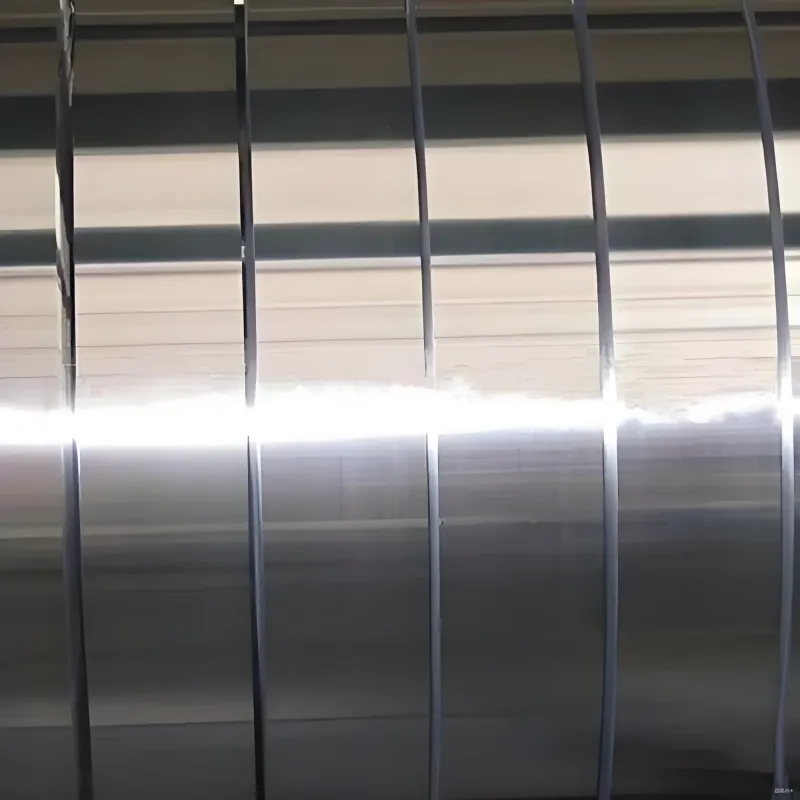
Mill finish and 8K mirror-finish options support different functional and decorative needs. For visible surfaces, define the required appearance using a finish specification or reference sample. Include any subsequent forming or finishing steps, since the surface needed in the supplied coil may differ from the final component appearance.
Typical Applications of Aluminum Coil & Strip
- Construction: roofing materials, exterior cladding and insulation panels.
- Electronics and electrical equipment: electrical housings and heat sinks.
- Packaging: aluminum closures and container components.
- Transportation: automotive panels and trailer components.
- Decorative products: indoor and outdoor trim.
- Clothing accessories: formed metal components and decorative hardware.
The required alloy, temper, thickness and surface appearance depend on the part design and the way the material will be processed.
What to Include in Your Aluminum Coil Enquiry
Providing a clear purchasing specification helps match the material to your production needs. Please include:
- Alloy grade: for example, 1050, 3003, 5052 or 6061.
- Temper: the designation required by your part or drawing.
- Coil size: thickness, width and relevant tolerances; required coil weight and inside diameter where your handling equipment imposes limits.
- Surface requirements: mill or mirror appearance, visible faces and handling or processing requirements.
- Application: the component and forming process, if relevant.
- Order details: quantity, destination, required delivery date and any purchasing or inspection requirements.
You can also browse our Aluminum product category for related materials.
About Fullgreat Metal
Established in 2008, Fullgreat Metal works with a range of industrial metal materials, including aluminum coil and strip, stainless steel and other precision metal products. We welcome detailed material enquiries from manufacturers and purchasing teams.
Frequently Asked Questions
How should I choose the alloy and temper together?
Start with the finished part’s forming, strength, conductivity and exposure requirements. A softer condition generally provides more room for forming within the same alloy, while cold working can increase strength. For 6061, define the required heat-treatment condition separately from the H-temper options used for other materials.
What are the coil thickness and width ranges?
The overall range is 0.1–10.0 mm thick and 20–1,600 mm wide. The available combination depends on the alloy, condition and finish. State the exact thickness and width together with tolerances needed for your process.
What is the minimum order quantity?
The minimum order quantity is 1 metric ton. List the quantity against each alloy, temper and size in your enquiry so the quotation clearly identifies the material being ordered.
Request an Aluminum Coil & Strip Quote
Need aluminum coil or strip for an upcoming order? Send your grade, temper, thickness, width, quantity and application details to Fullgreat. Drawings or material specifications are also helpful when your project has particular dimensional or surface requirements.