Blog
Non-Magnetic Stainless Steel Price Guide [2026]

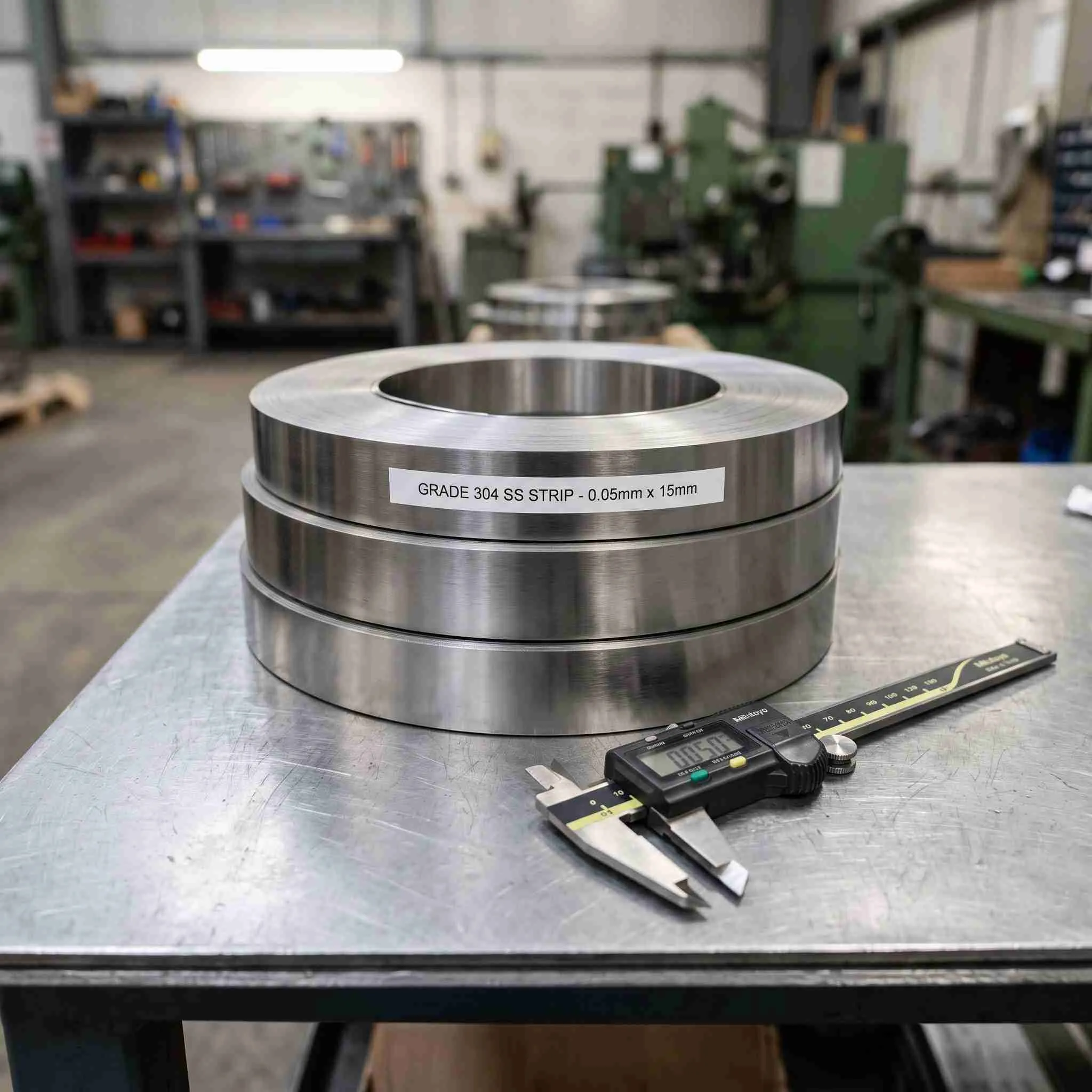
If you are budgeting for a new project, finding an accurate non-magnetic stainless steel price is essential for precision electronics, medical instruments, and high-end hardware manufacturing. Because primary alloy surcharges (Nickel, Chromium, and Molybdenum) fluctuate regularly on global exchanges, material costs are quoted dynamically based on chemical grade, target magnetic permeability (μ), and slitting precision.
This 2026 pricing benchmark and engineering guide explains current cost levels, breakdowns, and how to source certified non-magnetic alloys directly from the mill.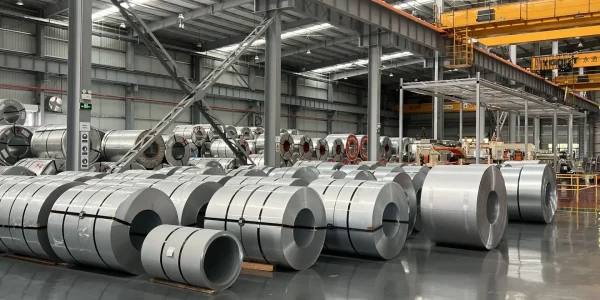
1. 2026 Non-Magnetic Stainless Steel Price Benchmarks by Grade
Unlike commercial stainless steels, true non-magnetic grades undergo balanced alloy formulation (high nickel/nitrogen stability) and vacuum bright annealing to suppress martensite formation during cold rolling and stamping. Below is an overview of baseline price tiers across standard industrial grades:| Grade Category | Magnetic Permeability (μ) | Typical Applications | Relative Price Index (FOB China) |
|---|---|---|---|
| Stable Austenitic (Enhanced 304 / 304L) | μ ≤ 1.02 – 1.05 | Consumer electronics housings, luxury zipper hardware, decorative trim | Baseline ($) |
| High-Corrosion Non-Magnetic (High-Nickel 316L / 316LVM) | μ ≤ 1.01 – 1.02 | Chemical valves, marine sensors, pharmaceutical vessels | +25% to +35% over baseline |
| Ultra-Low Permeability / Medical (Custom Austenitic Alloys) | μ ≤ 1.005 | MRI medical devices, camera OIS springs, magnetic shielding shields | Custom Quote by Slitting Specs |
*Note: The exact price per kilogram or ton depends on thickness, slit width tolerances, surface finishing, and current nickel market indexes. Contact our sales engineers for an official daily mill quote.
2. Why True Non-Magnetic Steel Costs More Than Commercial 304
A frequent question from purchasing managers is: “Why does true non-magnetic strip carry a premium over commercial 304 coils?”- Suppression of Strain-Induced Martensite: Standard 304 is technically austenitic (non-magnetic in an annealed state). However, heavy cold working, bending, or stamping transforms unstable austenite into ferromagnetic martensite, making the finished part magnetic.
- Vacuum Bright Annealing Cycles: To guarantee μ < 1.005 or μ < 1.01 after forming, the material requires specialized vacuum bright annealing and controlled cooling to restore a completely homogeneous austenitic matrix.
- Dedicated Magnetic Testing: Every batch is verified using digital magnetic permeability meters rather than simple hand magnets, ensuring compliance with strict electronic or medical standards.
3. The 4 Key Drivers Determining Your Final Quotation
When requesting a formal quotation, four technical specifications directly dictate the final non-magnetic stainless steel price and processing surcharge:- Thickness & Width Tolerances: Precision slitting to ultra-tight tolerances (e.g., ±0.01 mm for precision spring components) requires specialized tungsten carbide slitting knives and tension levelling lines, which adds precision slitting surcharges compared to standard slitting.
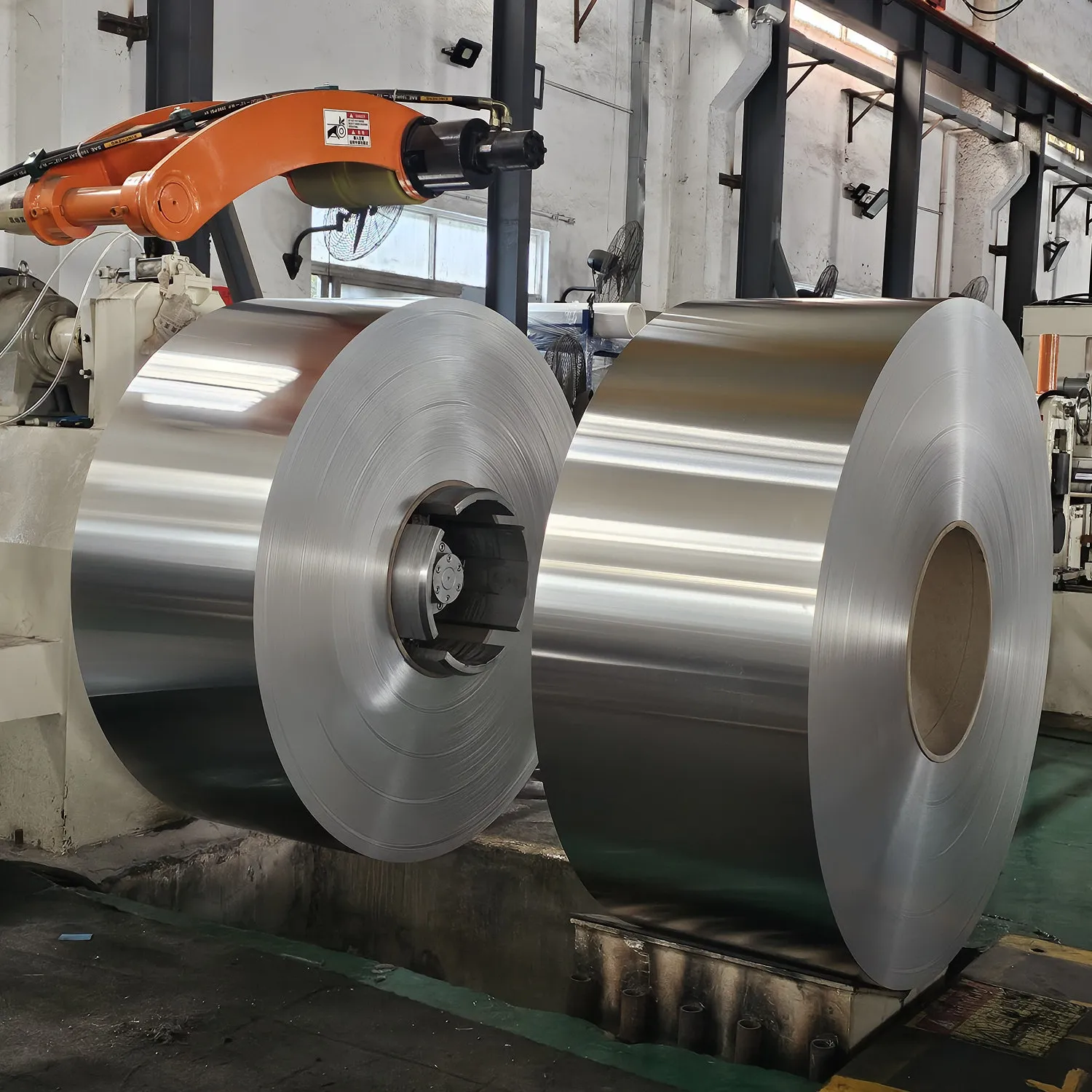
- Magnetic Permeability Threshold (μ Level): Tighter magnetic requirements (such as μ ≤ 1.005 for MRI components) demand strict chemical composition controls at the melting stage, leading to higher metallurgical costs.
- Edge & Surface Preparation: Deburred edges, round safety edges (for prolonged stamping die life), 2B finishes, or 8K mirror polishing with anti-fingerprint coatings all affect the final price structure.
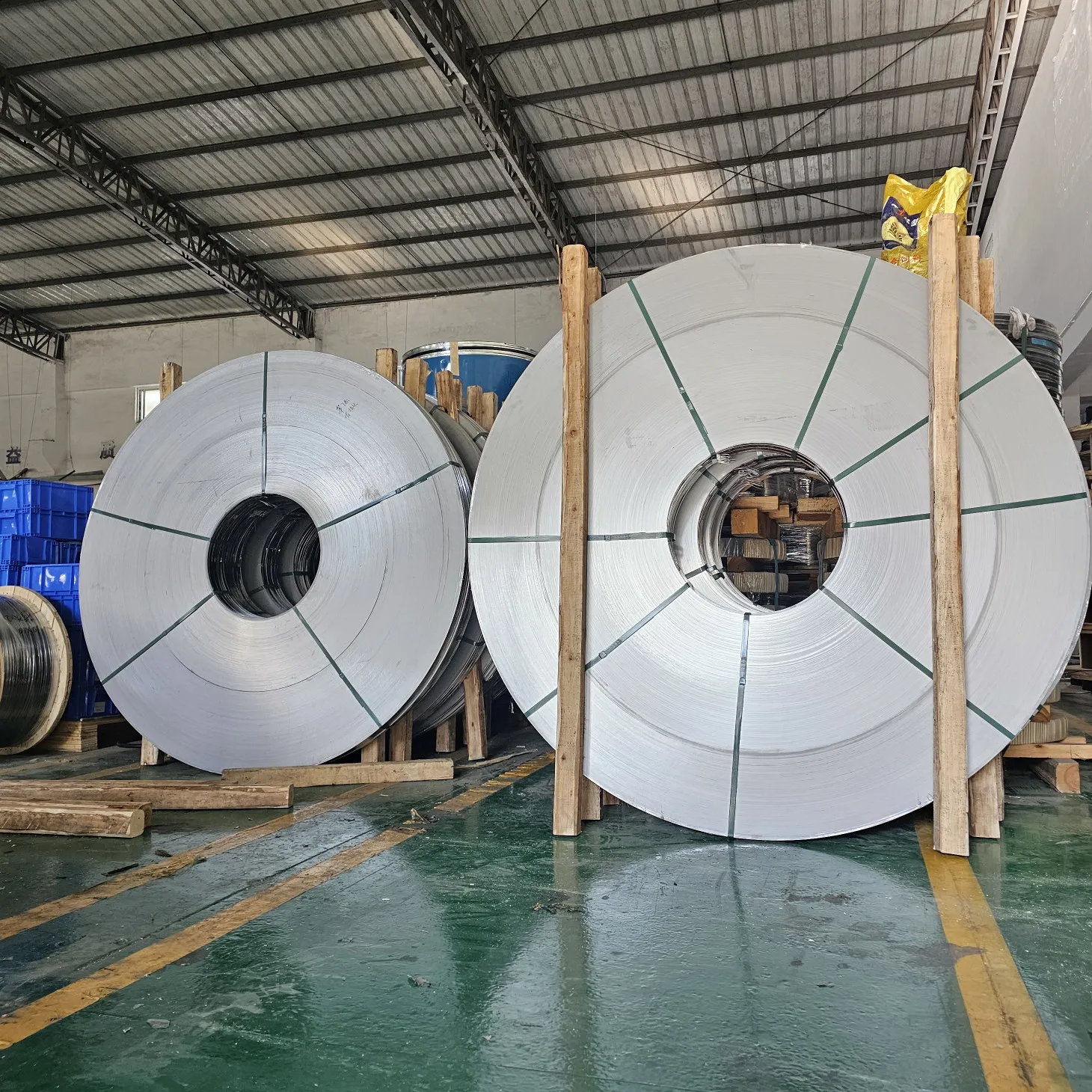
- Volume & Sea-Worthy Packaging: Full Container Load (FCL) orders achieve the lowest per-ton shipping and manufacturing costs. For development projects, we provide trial sample coils packaged in fumigated wooden boxes with desiccants and anti-rust barrier paper.
4. Cost-Saving Recommendations for Overseas Buyers
To optimize procurement costs without compromising functional performance:- Select Standard Widths Where Feasible: Custom micro-slit widths generate more cutting scrap. Aligning dimensions with standard slit multiples reduces overall yield loss.
- Clarify Permeability Requirements Upfront: If your component only requires μ ≤ 1.02 rather than surgical-grade μ ≤ 1.005, communicating your threshold avoids over-specifying and unnecessary material premiums.
- Request Mill Certification with Orders: Ensure your supplier issues a traceable EN 10204 3.1 Mill Test Certificate (MTC) to prevent batch rejection and costly secondary inspections.
Request Today’s Factory Direct Price Sheet & Sample
Need an accurate quotation for your engineering project? Fullgreat operates precision slitting lines, supplying cold-rolled non-magnetic stainless steel coils, strips, and wires worldwide.
To receive an immediate quote (EXW, FOB, or CIF), please provide:
- Target grade or required permeability value (μ)
- Dimensions: Thickness × Width (mm)
- Estimated order quantity (kg or tons)
- Destination sea port or airport
Response Guarantee: Our technical export team reviews inquiries and delivers an official quotation, chemical data sheet, and MTC sample within 12 business hours.
Send Inquiry & Request Quote View Non-Magnetic Products5. Frequently Asked Commercial & Purchasing Questions
Q1: What is the Minimum Order Quantity (MOQ)?
A: For stock items and standard slit widths, MOQ starts from 100 kg to 500 kg. For custom alloy smelting runs or specialized dimensions, trial coils are supported for mold qualification.
Q2: Can Fullgreat provide third-party verification?
A: Yes. Alongside our internal EN 10204 3.1 MTC, we regularly coordinate with third-party inspection agencies (such as SGS, TÜV, or BV) for chemical analysis and magnetic permeability testing upon client request.
Q3: How long remains a formal price quotation valid?
A: Due to raw nickel and ferrochrome fluctuations on the London Metal Exchange (LME), official quotations are typically valid for 7 to 14 days.