Blog
C2680 Brass Strip Properties and Applications

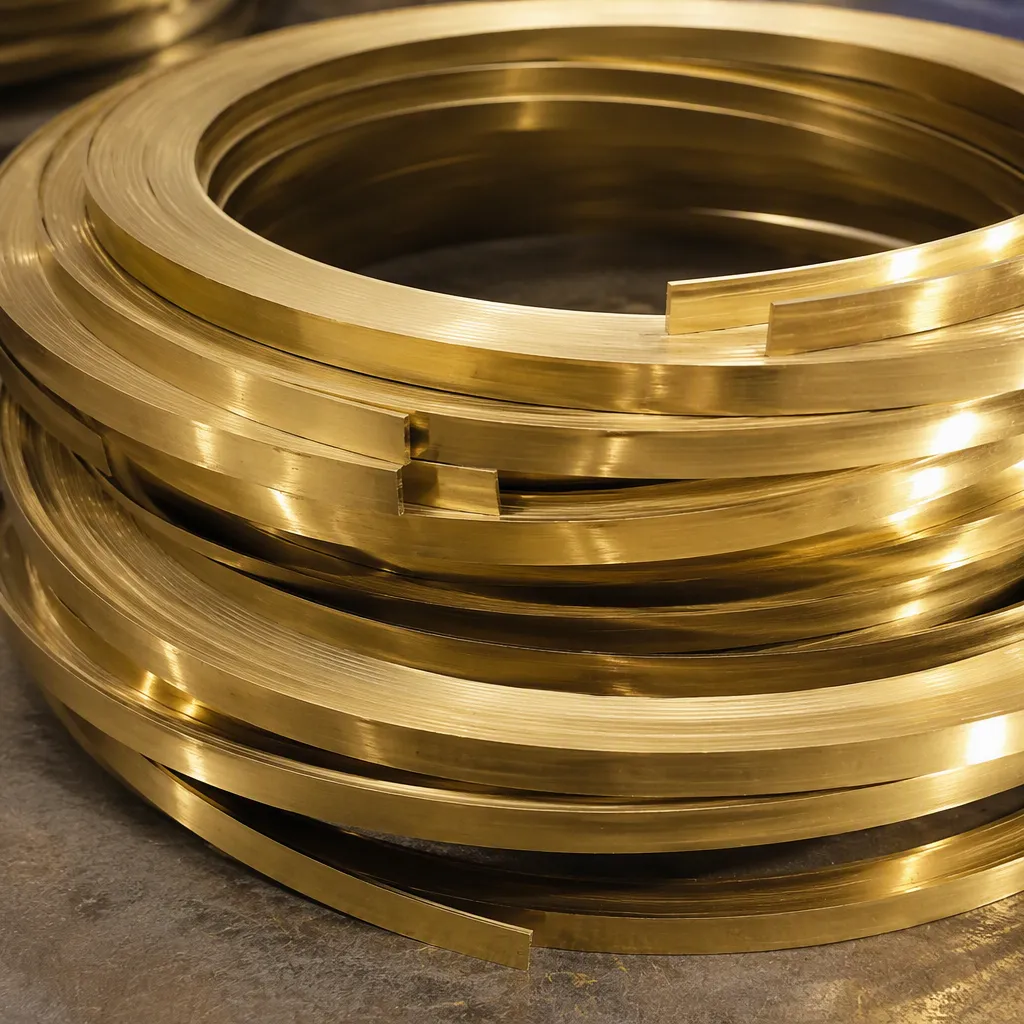
C2680 brass strip is a copper-zinc alloy used for stamped, drawn and decorative components. It combines useful cold formability with a yellow brass appearance. The main selection trade-off is between the deformation needed during manufacture and the strength needed in the finished part.
For a deep-drawn eyelet, remaining ductility may control the choice. For a formed contact or retaining tab, resistance to permanent deformation also matters. Selecting the temper alongside the alloy helps distinguish these requirements.
Looking for brass strip supply? Fullgreat’s copper and copper alloy strip product page lists material, size and condition options. This guide explains how C2680 composition, temper and strip quality affect material selection.
What to Check When Selecting C2680 Brass Strip
Start with the component’s most demanding feature. A tight bend, a drawn recess, a visible face and an electrical contact each place different demands on the strip.
- Alloy and standard: retain the full designation from the drawing. Similar brass names can refer to different composition limits.
- Temper: balance forming allowance with the finished part’s strength requirement.
- Section: specify thickness and width separately. Both affect the finished geometry and material feeding.
- Edges and surface: relate burrs, scratches and surface appearance to the actual forming or finishing operation.
- Acceptance: identify the properties and dimensions that determine whether the material is suitable for the part.
Applications and Forming Considerations
Stamped and Deep-Drawn Components
Drawing and repeated bending use the material’s capacity for plastic deformation. A softer condition usually provides more forming allowance than a heavily cold-worked condition. Tight radii, stretched corners and the sequence of operations influence where cracking may begin.
For an eyelet or drawn shell, consider the most severely formed region rather than selecting temper from the application name alone. If cracking occurs, examine the bend radius, edge condition and supplied temper together before changing the alloy.
Electrical Terminals and Connector Components
A terminal must conduct current, but a contact feature may also need to retain force. These are separate requirements. Bulk electrical resistance depends on the material and conductor section; connection resistance also depends on contact geometry, surface condition and the joining arrangement.
Harder material can offer greater resistance to permanent deformation, while leaving less allowance for tight forming. Where contact force must remain at temperature, include that service requirement in the material comparison instead of relying on room-temperature hardness alone.
Garment Hardware and Decorative Accessories
Eyelets, buttons and decorative fittings combine forming requirements with visible surfaces. A strip that forms successfully can still show tooling marks or surface defects after polishing or plating. A representative finished sample helps assess both the formed shape and appearance.
This article covers brass strip as raw material. Wire profiles used for zipper teeth and finished zipper components have separate dimensions and manufacturing requirements.
C2680, C2600 and Other Brass Grades: Compare the Designations
C2680 is not the same designation as C2600 or C26000. C2680 has a lower copper range than C2600. Similar applications do not establish that a material can replace the grade specified on a drawing.
Cross-standard comparisons also involve material form, temper and test requirements. A grade match that appears reasonable from chemistry can still leave differences in the delivered condition.
| Comparison | Why It Matters |
|---|---|
| Designation and product standard | Identify the alloy and product form being ordered, rather than substituting a similar catalogue name. |
| Composition | Compare copper and zinc ranges, together with the limits on other elements. |
| Temper and thickness | Compare mechanical requirements at the intended thickness and supplied condition. |
| Dimensions and edges | Match strip width, thickness, camber and edge requirements to the feeding and forming process. |
| Inspection basis | Use the specified tests and records to assess the agreed requirements. |
C2680 Composition Reference
The following composition reference describes the alloy; it is not a test result for an individual coil. Values are percentages by mass.
| Element | C2680 Reference |
|---|---|
| Copper, Cu | 64.0–68.0% |
| Zinc, Zn | Remainder |
| Lead, Pb | 0.05% maximum |
| Iron, Fe | 0.05% maximum |
C2600 has a copper reference range of 68.5–71.5%, which explains the distinction from C2680. Use the exact grade and applicable standard when assessing a substitute; these ranges alone do not establish equivalence to a designation in another standard.
Temper Selection: Match the Material to the Process
Cold working raises strength and hardness while generally reducing the remaining capacity for deformation. Annealing softens work-hardened brass. This makes temper a manufacturing choice as well as a finished-part requirement.
Strength and stiffness are different properties. A harder temper can help resist permanent deformation, but it does not make an otherwise identical strip section proportionally stiffer. Elastic deflection also depends on the component’s geometry.
| Condition | Selection Direction | Main Trade-Off |
|---|---|---|
| O / annealed | A starting point for demanding drawing or substantial forming. | More forming allowance, with lower supplied strength. |
| 1/4H / quarter hard | A partially hardened option when some forming remains. | Balance the required strength with the critical forming feature. |
| 1/2H / half hard | An intermediate condition for parts needing strength and further forming. | Tight bends require attention to radius, orientation and edges. |
| H / hard and harder conditions | Options where higher supplied strength is important. | Less remaining ductility can limit forming operations. |
These are selection directions, not a list of guaranteed applications. Mechanical limits belong to the exact grade, temper, thickness and test basis. For example, a flat retaining tab and a deep-drawn cup may need different conditions even when made from the same alloy.
Strip Dimensions, Slitting and Edge Quality
Slitting establishes strip width and affects its edges. Thickness control comes from the incoming strip and its rolling history. A narrow slit-width tolerance therefore does not establish an equally tight thickness tolerance.
- Thickness: affects the formed section, tooling clearance and part fit.
- Width: affects feeding, material usage and the dimensions produced by the tooling.
- Burrs and edge damage: can influence handling and crack initiation near formed edges.
- Camber: is sideways curvature along the strip; it can affect tracking through a feed system.
- Coil dimensions: inner diameter, outer diameter and weight need to suit the uncoiling equipment.
Fullgreat strip supply: The product range includes brass and other copper alloy strip. Select the material form and supplied condition alongside the dimensions. Where a burr limit, edge treatment or inspection record is important, include it as a specific order requirement.
Comparing a copper-clad alternative?
For decorative hardware, FPD726 copper-clad stainless steel strip offers a different material construction from solid brass. Compare the finished appearance, forming route and component requirements when evaluating a change. Magnetic performance and needle-detection requirements are separate selection criteria and need application-specific test conditions.
Inspection Documents and Quality Traceability
Useful inspection records connect the material received to the properties specified. Check that the alloy designation, supplied condition, dimensions and batch identity correspond to the order and coil labels.
Read mechanical results together with the test conditions. Tensile strength, elongation and hardness describe different aspects of the material. A hardness result alone does not demonstrate the forming result or service life of the finished component.
Where a particular certificate or dimensional report is needed, list its required scope in the enquiry. This makes the documentation part of the supply discussion rather than an assumption about every shipment.
Frequently Asked Questions
Is C2680 brass strip interchangeable with C26000?
A direct substitution should be assessed against the drawing and applicable standards. C2680 and C26000 are different designations; compare chemistry, temper and mechanical requirements rather than approving a change from similar applications alone.
Which temper should I try if a formed part cracks?
First locate the crack and review the bend radius, edge condition and forming sequence. A softer temper may provide more forming allowance. The selected condition still needs to meet the finished part’s strength requirement.
Why can two coils with the same alloy name form differently?
The supplied temper, thickness variation, edge condition and surface quality can change the forming response. Compare those features alongside the alloy designation when investigating a difference between coils.
Can C2680 brass strip be electroplated?
Brass can be used as a substrate for electroplating. Surface cleaning, preparation and the plating process affect adhesion and appearance. Assess a representative formed and plated sample, especially where a decorative finish is part of acceptance.
How should I compare quotations for C2680 strip?
Use the same grade, temper, dimensions, tolerances, edge requirements and quantity for each quotation. Include packing and inspection needs so that differences in scope are visible alongside the price.
Request a C2680 Brass Strip Quotation
Send the required designation and temper, thickness, width, quantity and delivery destination. Include critical tolerances, the component’s forming requirements and any surface or inspection requirements. These details help connect the strip specification to the part you need to produce.
Send Fullgreat your brass strip requirements for a material and quotation review.