Blog
5052 Aluminum Strip: Tempers, Forming & Anodizing Guide

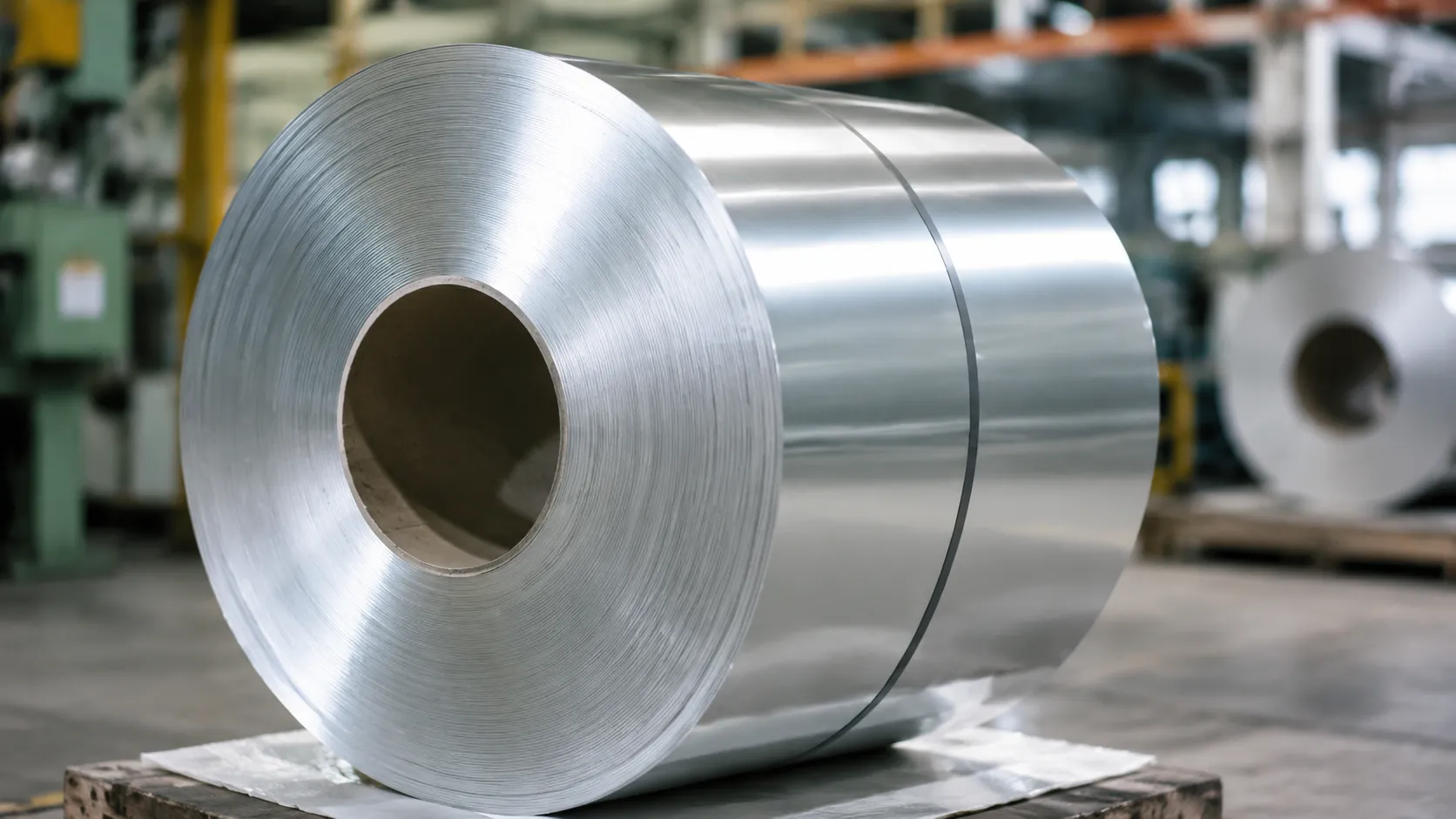
5052 aluminum strip is an aluminum-magnesium alloy used where sheet-metal parts need a practical balance of corrosion resistance, formability and strength. For buyers of formed housings, covers, brackets and precision components, the alloy designation is only the starting point: temper, bending requirements, edge condition and surface appearance all influence whether a strip will work in production.
This guide covers 5052 alloy behavior, the differences between common O and H-series tempers, points to check before anodizing, and the information needed when specifying aluminum strip for a purchase.
What Is 5052 Aluminum Strip?
5052 belongs to the 5000-series aluminum-magnesium alloys. It is a non-heat-treatable alloy: its strength is influenced by alloy composition and cold working rather than the precipitation-hardening treatments used for alloys such as 6061. It is widely considered for sheet-metal fabrication because of its corrosion resistance, weldability and forming characteristics.
In coil or strip form, 5052 may be cut and formed into components for electrical equipment, enclosures, appliances and other fabricated products. The relevant property values and working limits depend on the temper, material thickness and part geometry. A grade name alone does not define the result of a bend or the appearance after surface finishing.
How 5052 Temper Affects Forming and Bending
Temper describes the material condition after processing. For 5052, annealed and strain-hardened conditions can behave differently during bending and stamping. The following examples explain common industry temper designations rather than a fixed stock or availability list.
| Temper | General condition | Forming consideration | Typical decision point |
|---|---|---|---|
| 5052-O | Annealed | Relatively high ductility for forming operations | Consider when the part requires substantial forming or tighter bends. |
| 5052-H32 | Strain hardened and stabilized | Higher strength than O, with less forming allowance | Balance forming requirements with the strength needed in the finished part. |
| 5052-H34 | Strain hardened and stabilized to a harder condition | Generally less ductile than H32 | Review bend geometry and cracking risk before specifying. |
When evaluating a formed part, specify the inside bend radius, sheet thickness and bend direction relative to the rolling direction. Temper selection and tooling can change the result considerably. For critical parts, validate the required bend with the actual material condition and forming process rather than relying only on a generic bend-radius rule.
Key Material Properties and Applications
5052 is known for good corrosion resistance and weldability, along with a useful combination of weight, strength and formability. These characteristics make it a candidate for components exposed to moisture or repeated handling, provided the design and finishing requirements are appropriate.
- Electronics and electrical equipment: formed enclosures, protective covers and equipment panels where fit and surface condition matter.
- Fabricated sheet-metal parts: brackets, housings, formed covers and other components with bending or stamping operations.
- Transport and outdoor equipment: corrosion-resistant panels and fabricated parts selected for their service environment.
- Decorative products: trim or visible components where the base-metal finish and any subsequent coating must be evaluated together.
These are material selection examples. The final alloy, temper, dimensions and finishing process should be specified for the individual component and its operating environment.
5052 Aluminum Strip for Anodizing: What Affects Appearance?
5052 can be anodized, but anodizing suitability is not the same as a guaranteed cosmetic result. Alloy composition, temper, rolling and surface condition, cleaning, pretreatment and anodizing conditions can all affect the appearance of the finished part.
Compared with alloys chosen specifically for bright decorative anodizing, 5052 may show a different shade. Thicker anodic coatings may also exhibit a yellowish tint. Buyers who need tightly matched cosmetic panels should agree on the acceptable appearance before volume production.
Points to Check Before Finishing
- Incoming surface: inspect for scratches, dents, handling marks, stains and embedded contamination.
- Surface preparation: agree on cleaning and any mechanical or chemical pretreatment before anodizing.
- Visible appearance: define the required gloss, color and acceptable variation between batches or parts.
- Anodic coating: specify the finish type and any relevant coating requirements through the finishing provider.
- Forming sequence: plan bending, punching and other operations in relation to the final surface treatment.
For electronics enclosures or decorative panels with strict appearance criteria, an approved finished sample or appearance standard can be more useful than a description such as “scratch-free” or “perfect anodizing.”
Edge Burrs, Flatness and Handling: Practical Checks
Even when the alloy and temper are correct, a narrow strip may cause problems in a feeding, stamping or forming line if its edge and shape do not match the equipment requirements. Typical purchasing concerns include burr height, camber, flatness, width tolerance and coil handling damage.
| Inspection item | Why it matters | What to specify |
|---|---|---|
| Edge burr | Can affect handling, fit, forming and downstream tooling | Maximum acceptable burr and inspection method. |
| Camber / straightness | Sideways curvature can affect strip feeding | Permitted camber over a defined measurement length. |
| Flatness | Out-of-flatness can influence stamping and assembly | Applicable flatness requirement and checking method. |
| Surface condition | Scratches or stains may remain visible after finishing | Visual acceptance criteria and protective handling requirements. |
| Coil presentation | Coil dimensions affect handling and line compatibility | Required inner diameter, outer diameter and coil weight, if applicable. |
These requirements should be agreed as measurable purchase specifications. “Zero camber,” “burr-free” and “scratch-free” are not substitutes for defined acceptance criteria.
How to Specify 5052 Aluminum Strip for an Enquiry
A precise enquiry helps distinguish alloy selection from processing and cosmetic requirements. Include the following information wherever it applies to your part:
- Material: 5052 aluminum alloy and the required temper.
- Dimensions: nominal thickness, width and required tolerances.
- Part processing: whether the material will be bent, stamped, welded, slit or otherwise formed.
- Surface requirements: finish after processing, acceptable visual variation and any subsequent anodizing requirements.
- Edge and shape: acceptable burr, camber and flatness criteria for the production line.
- Order details: quantity, coil presentation and any inspection or documentation requirements to be confirmed in the quotation.
If your drawing or purchasing documents use an additional reference such as FPD503, include that code with the drawing and the full material requirements so its meaning can be checked alongside the alloy, temper and finish. The reference code alone should not replace a complete material specification.
Fullgreat Aluminum Coil and Strip
Fullgreat’s Aluminum Coil & Strip product page includes alloy 5052 among its aluminum material range. For the wider selection of aluminum products, see the Aluminum category.
For 5052 enquiries, provide the intended application together with the alloy, temper, dimensions, surface requirements and order quantity. Confirm the requested combination and any additional manufacturing requirements during quotation.
Frequently Asked Questions
Is 5052 aluminum strip heat-treatable?
5052 is a non-heat-treatable aluminum-magnesium alloy. Its mechanical condition can be changed by annealing and strain hardening; 6061-T4 and 6061-T6 heat-treatment descriptions should not be applied to 5052.
Which is better for bending: 5052-O or 5052-H32?
5052-O generally offers more forming ductility, while 5052-H32 provides a higher-strength condition with less forming allowance. The choice depends on thickness, bend radius, part geometry and tooling.
Can 5052 aluminum be anodized?
Yes. However, alloy composition and surface preparation affect the final appearance. For cosmetic applications, specify the required finish and agree on acceptable color, gloss and surface variation.
Why can formed aluminum strip crack at a bend?
Cracking can result from an unsuitable temper, an overly tight bend, material orientation, edge condition or forming setup. Evaluate the complete material and tooling combination rather than assuming that every 5052 strip will bend identically.
What should I send for a 5052 aluminum strip quotation?
Include the alloy, temper, thickness, width, quantity and application, plus relevant bend, edge and surface requirements. A drawing or specification sheet is particularly helpful for precision components.
Request an Aluminum Strip Quotation
Preparing material for formed housings, equipment components or decorative parts? Send your alloy, temper, dimensions and manufacturing requirements to Fullgreat for review.